Difference between Pitting Edema and Non-Pitting Edema
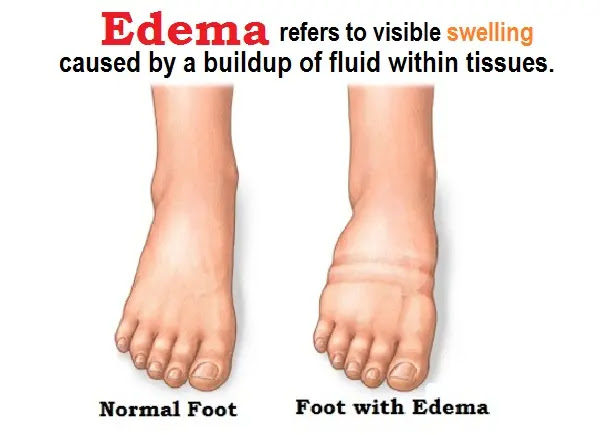
Pitting Edema vs. Non-Pitting Edema Edema is a medical term for swelling which occurs when small blood vessels leak fluid into nearby tissues. When the swollen skin is pressed with a finger and this may leave a pit in the skin, this is called pitting edema. When the swollen area is pressed and it doesn’t leave a pit in … Read more

Mechanism of Pitting and Non-Pitting Edema

When you apply pressure to the swollen area and this causes an indentation in the skin, this is called pitting edema. When the swollen area is pressed with a finger and this does not cause an indentation, it is called non-pitting edema. Normal hand (left) and hand with edema (right) Pitting and Non-Pitting Edema This … Read more

Serotonin Deficiency -Depression, Irritability and Obsession

Consequences of Serotonin Deficiency If you have low energy, depressed mood, negative thoughts, feel tense and irritable, crave sweets, and have less interest in physical activity, you may have a serotonin deficiency. Serotonin deficiency occurs when your body does not have enough serotonin activity. Serotonin deficiency can cause physical and psychological symptoms. Psychological Consequences of … Read more

What are the Different Types of Hormones in Endocrine System?

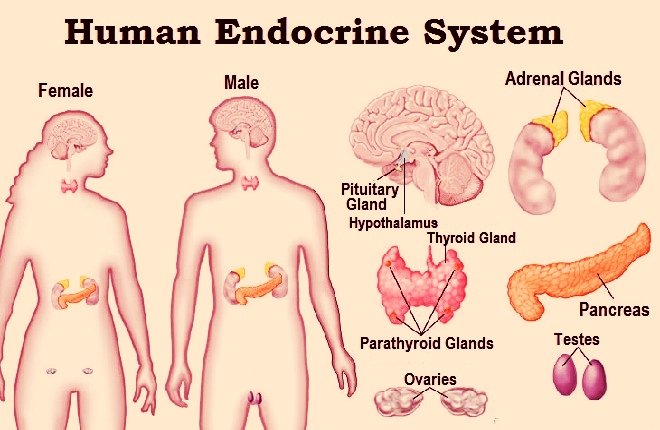
Endocrine system is an integrated system of glands, each of which secretes different types of hormones that travel through the blood. The hormones travel through the bloodstream, communicate within the human body and bind to special receptors on the target cells. Hormones regulate the vital functions in the body: metabolism, growth and development, sleep, tissue … Read more

Amyotrophic Lateral Sclerosis – Diagnosis and Treatment | Care Tips for living with ALS

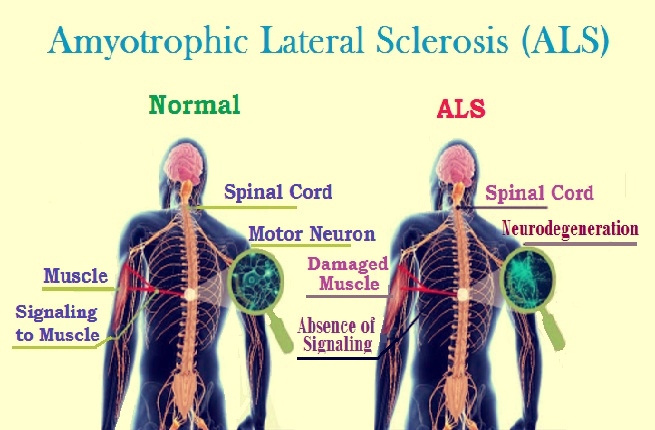
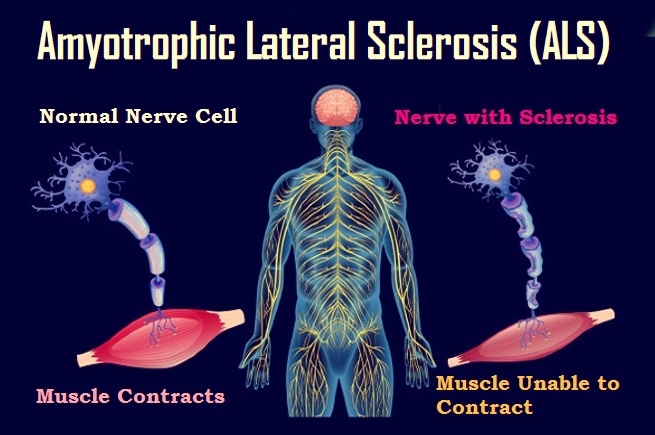
Amyotrophic lateral sclerosis (ALS), also known as Lou Gehrig’s disease is a motor neuron disease (MND) that weakens muscles and impacts physical function. In this article, you will learn how to diagnose amyotrophic lateral sclerosis? What is the best treatment for ALS? Medications or Therapies? And how do you cope with ALS diagnosis? ALS is … Read more

Amyotrophic Lateral Sclerosis (ALS) -Symptoms and Causes – How to Prevent ALS

Amyotrophic lateral sclerosis (ALS), is a progressive nervous system disease that affects nerve cells in the brain and spinal cord and causes the death of neurons controlling voluntary muscle movements such as walking and talking. The most common initial symptoms of ALS include: progressive muscle weakness, muscle cramps and twitches, abnormal fatigue of the arms and/or … Read more

The Most Common Neurological Disorders – Symptoms, Causes and Complications

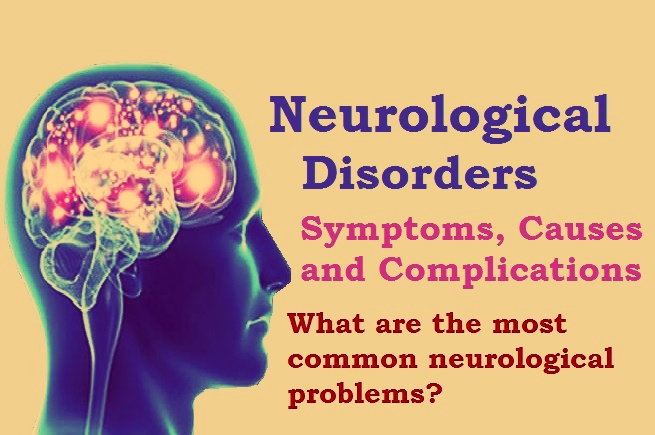
A neurological disorder is any disorder of the central and peripheral nervous system. The most common neurological disorders include epilepsy, multiple sclerosis, Parkinson’s disease, brain tumors, cerebral palsy, Alzheimer’s disease, and other dementia, as well as cerebrovascular diseases such as stroke, migraine, and other headache disorders, neurological infections, traumatic disorders of the nervous system due … Read more

Neuropathy-Diagnosis and Treatment Methods – Home Remedies and Self-Care for Neuropathy

Neuropathy is nerve damage or dysfunction that usually causes tingling, numbness, muscle weakness, and pain in the affected area. In the diagnosis of neuropathy, the doctor may verify the integrity of the reflexes, sensation and muscle strength, and he may request one or more necessary medical check-ups, including blood tests, NCS, EMG, CSF analysis, X-rays, … Read more

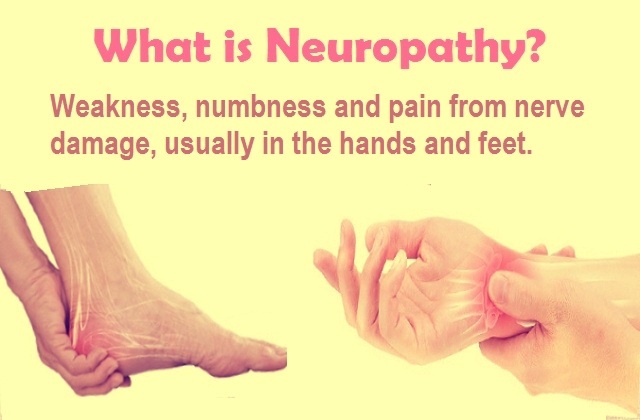
What is Neuropathy? – Types, Symptoms and Causes of Neuropathy

Neuropathy is a term that refers to damage or dysfunction of one or more nerves that usually leads to muscle weakness, tingling, numbness, and pain in the affected area.  Neuropathy is generally classified according to the types or locations of the nerves affected.  Nerves can be damaged anywhere in the body from injury or illness.  … Read more

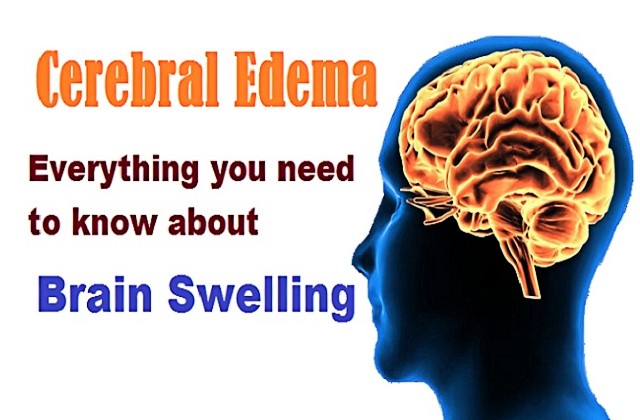
Cerebral Edema (Brain Swelling) – Types, Symptoms, Causes and Treatment

Cerebral edema, also known as brain swelling, is the excess accumulation of fluid in intracellular or extracellular spaces of the brain, causing an increase in pressure known as intracranial pressure.  Cerebral edema is one of the most dangerous diseases that may affect humans. So we find many of us frightened by the severity of the … Read more