Brachial Plexus Injury: Diagnosis and Treatment
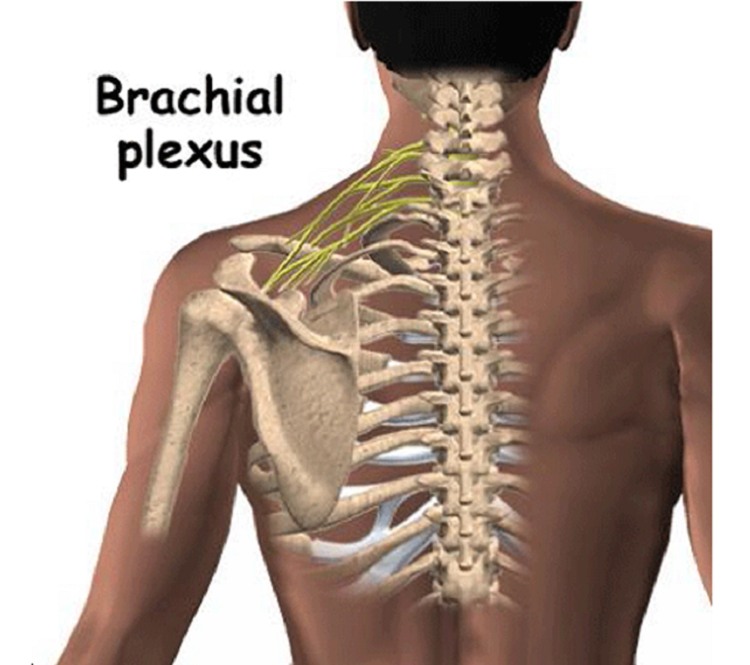
What is Brachial Plexus Injury? Diagnosis & Treatment Options The brachial plexus is a network of nerves in the neck that arise from the highest section of the spinal cord. From the shoulder to the fingertips, this plexus provides sensory and motor (movement) information to the upper limb. The brachial plexus network can be affected … Read more

How Exactly Does Nerve Control 911 Work?

“Nerve Control 911” is a natural dietary supplement for adults of all ages to solve their nerve damage problems and improve their central nervous system. Let’s have a look at how exactly Nerve Control 911 works. What is “Nerve Control 911” and How Does It Work?   Your nervous system plays an important role in almost … Read more

Thoracic Spine Nerve Damage Symptoms & Treatment

Symptoms and treatment of a thoracic spinal cord injury or vertebral compression fracture depend on the type of nerve damage. Thoracic spine nerve damage causes pain, numbness, or weakness in the upper back, chest, and abdomen. Early diagnosis ensures effective management, aiding recovery and improving quality of life. Learn here more about the thoracic spine … Read more

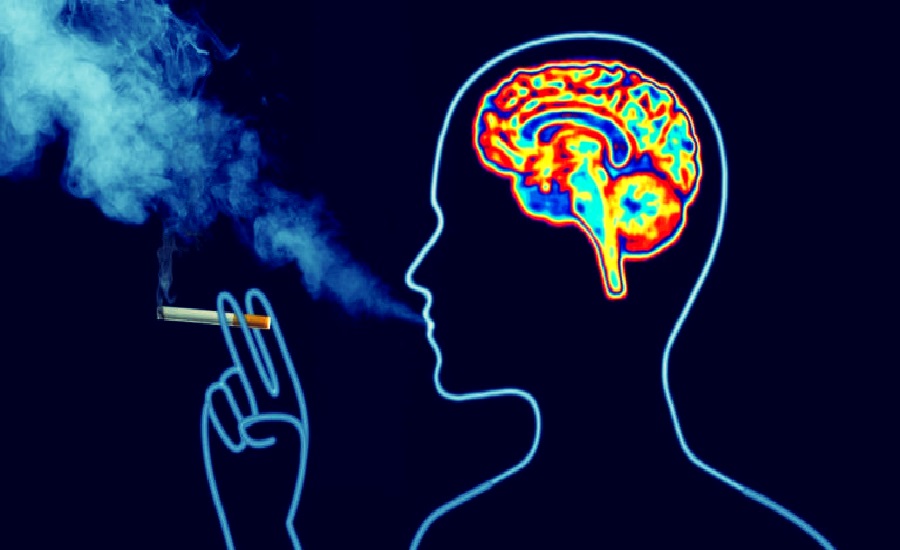
How Does Smoking Affect the Nervous System?

Most people understand how smoking affects the lungs and heart, but what is less known is the negative effect of smoking on the nervous system and brain.  In this article, we will discuss the effects of smoking on your nervous system as well as the benefits of quitting smoking. How Does Smoking Affect the Brain? … Read more

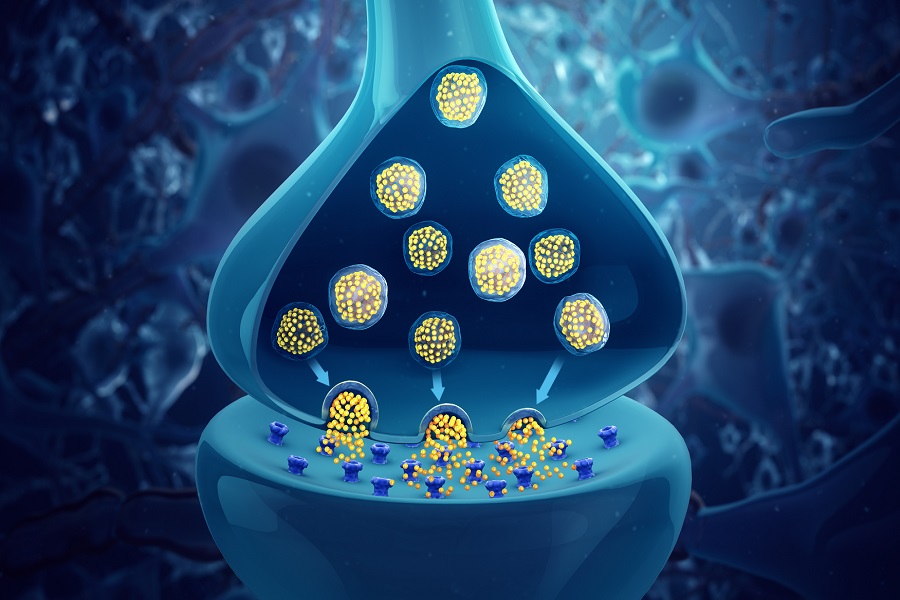
Different Types of Neurotransmitters and Their Functions

Neurotransmitters are chemical messengers that carry, boost, and balance signals between neurons and target cells throughout the body. Here is a list of some of the most common neurotransmitters that work a lot to keep your body and brain working in tandem. What are the Different Types of Neurotransmitters and Their Functions?   What is … Read more

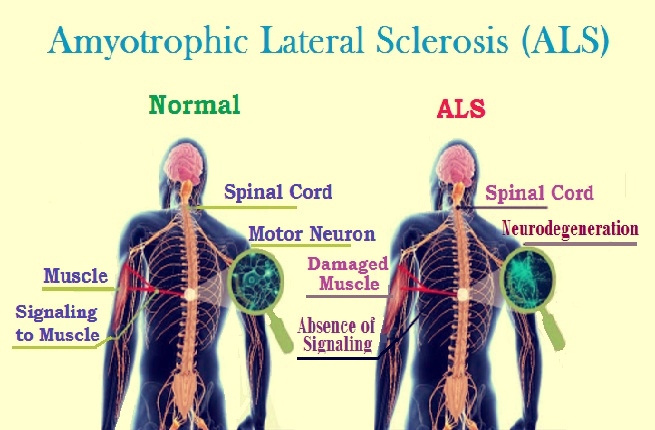
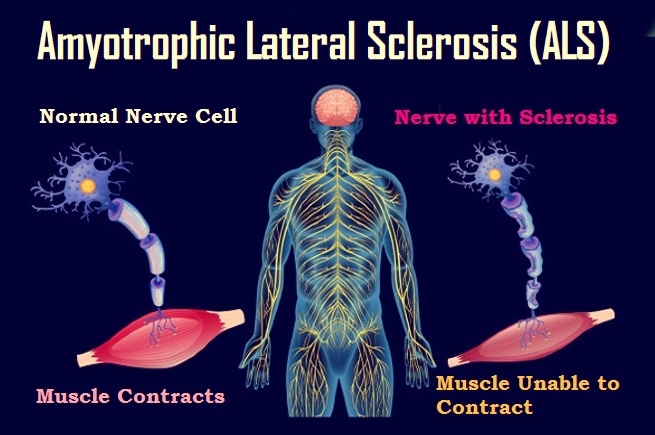
Amyotrophic Lateral Sclerosis – Diagnosis and Treatment | Care Tips for living with ALS

Amyotrophic lateral sclerosis (ALS), also known as Lou Gehrig’s disease is a motor neuron disease (MND) that weakens muscles and impacts physical function. In this article, you will learn how to diagnose amyotrophic lateral sclerosis? What is the best treatment for ALS? Medications or Therapies? And how do you cope with ALS diagnosis? ALS is … Read more

Amyotrophic Lateral Sclerosis (ALS) -Symptoms and Causes – How to Prevent ALS

Amyotrophic lateral sclerosis (ALS), is a progressive nervous system disease that affects nerve cells in the brain and spinal cord and causes the death of neurons controlling voluntary muscle movements such as walking and talking. The most common initial symptoms of ALS include: progressive muscle weakness, muscle cramps and twitches, abnormal fatigue of the arms and/or … Read more

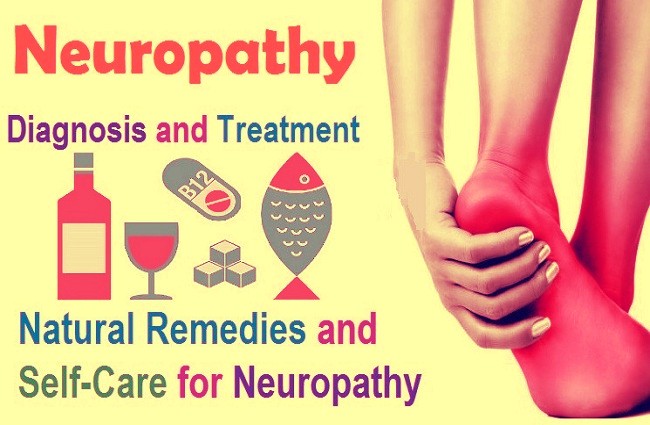
Neuropathy-Diagnosis and Treatment Methods – Home Remedies and Self-Care for Neuropathy

Neuropathy is nerve damage or dysfunction that usually causes tingling, numbness, muscle weakness, and pain in the affected area. In the diagnosis of neuropathy, the doctor may verify the integrity of the reflexes, sensation and muscle strength, and he may request one or more necessary medical check-ups, including blood tests, NCS, EMG, CSF analysis, X-rays, … Read more

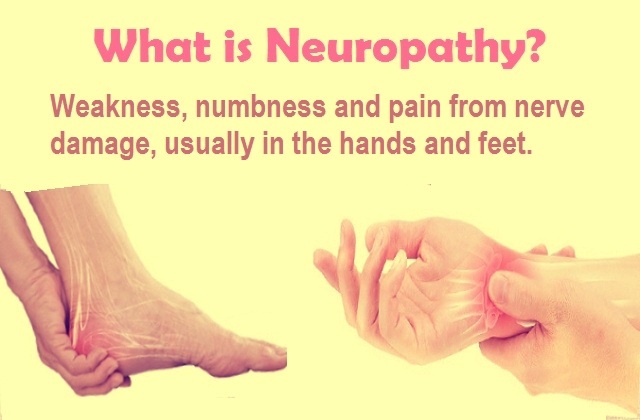
What is Neuropathy? – Types, Symptoms and Causes of Neuropathy

Neuropathy is a term that refers to damage or dysfunction of one or more nerves that usually leads to muscle weakness, tingling, numbness, and pain in the affected area.  Neuropathy is generally classified according to the types or locations of the nerves affected.  Nerves can be damaged anywhere in the body from injury or illness.  … Read more

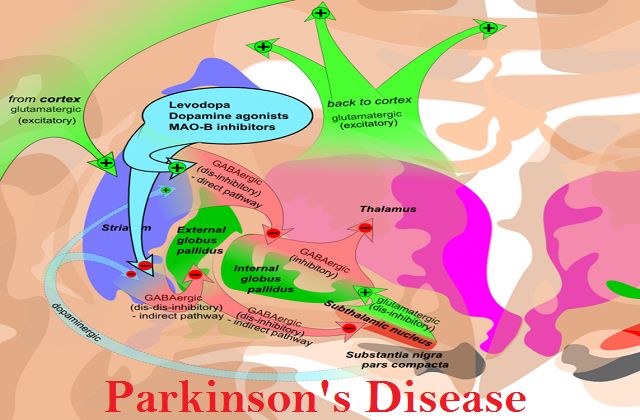
Parkinson’s Disease -Symptoms, Causes and Treatment | How to Prevent Parkinson’s Disease

Parkinson’s disease (PD) is a progressive, degenerative, neurological disorder that primarily affects dopamine-producing neurons in a specific region of the brain and causes a person to lose control of his mobility, ability to speak and write, daily functioning, and so on.  Parkinson’s disease symptoms include tremors, bradykinesia, muscle rigidity, postural instability, dyskinesia literally, dysarthria (difficulty speaking), … Read more