How to Plan a Successful Vacation for Your Autistic Child

Planning a Family Vacation with an Autistic Child Autism spectrum disorder is a serious developmental disorder that impairs how a child interacts with others, communicates, learns and behaves. Autism constitutes a diverse group of conditions related to brain development and affects overall cognitive, emotional, social, and physical health. Autism and vacation are a beautiful combination … Read more
Autism Spectrum Disorder: 5 Helpful Supplements

Autism Spectrum Disorder Treatment: Choosing Vitamins & Supplements Autism spectrum disorder is a neurological and developmental disorder that impairs social skills, processing information quickly or accurately, sensory processing, communication and behaviors. Several factors may influence the development of autism spectrum disorder, including sensory sensitivities and medical problems such as gastrointestinal disorders, seizures or sleep disorders, … Read more

How to Prevent Epilepsy: Seizure Precautions and Safety Tips

A seizure is a single occurrence of abnormal electrical activity in the brain whereas epilepsy is a type of neurological disorder characterized by two or more unprovoked seizures. Here are seizure precautions and safety measures to prevent epilepsy.  A seizure is a single occurrence of abnormal electrical activity in the brain Safety Precautions for Seizures: … Read more

Symptoms of Five Distinct Neurological Illnesses

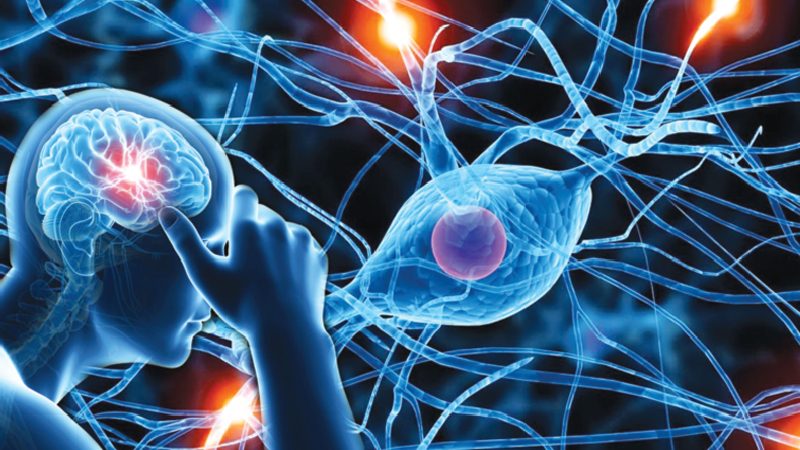
Neurological disorders are diseases of the nervous system that affect the brain as well as the nerves throughout the human body and spinal cord. Understand the five different types of neurological disorders and their symptoms. Understanding the Five Different Types of Neurological Disorders The brain, spinal cord, and nerves are all affected by neurological illnesses. … Read more

What is Young-Onset Parkinson’s Disease (YOPD)?

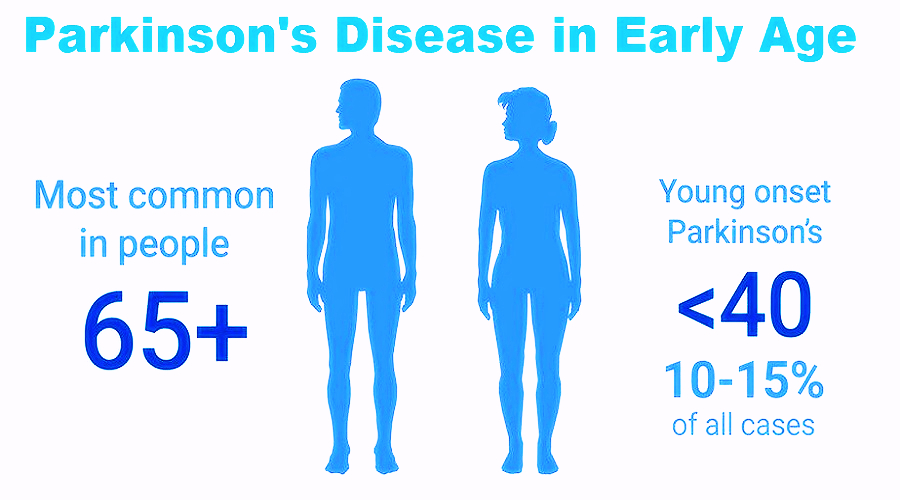
Parkinson’s disease generally begins in middle or late life, and the risk increases with age. It is uncommon to see Parkinson’s disease in people under the age of 50. Some people may have symptoms of Parkinson’s disease before the age of 50, which is called “Young Onset Parkinson’s disease (YOPD)”. Symptoms of Parkinson’s Disease: Can … Read more

Difference between Pitting Edema and Non-Pitting Edema

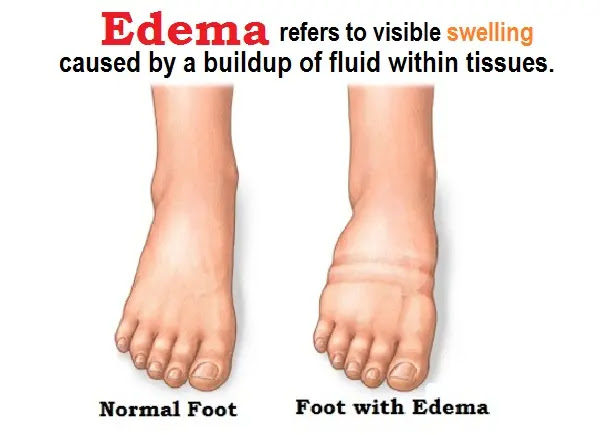
Pitting Edema vs. Non-Pitting Edema Edema is a medical term for swelling which occurs when small blood vessels leak fluid into nearby tissues. When the swollen skin is pressed with a finger and this may leave a pit in the skin, this is called pitting edema. When the swollen area is pressed and it doesn’t leave a pit in … Read more

Mechanism of Pitting and Non-Pitting Edema

When you apply pressure to the swollen area and this causes an indentation in the skin, this is called pitting edema. When the swollen area is pressed with a finger and this does not cause an indentation, it is called non-pitting edema. Normal hand (left) and hand with edema (right) Pitting and Non-Pitting Edema This … Read more

Serotonin Deficiency -Depression, Irritability and Obsession

Consequences of Serotonin Deficiency If you have low energy, depressed mood, negative thoughts, feel tense and irritable, crave sweets, and have less interest in physical activity, you may have a serotonin deficiency. Serotonin deficiency occurs when your body does not have enough serotonin activity. Serotonin deficiency can cause physical and psychological symptoms. Psychological Consequences of … Read more

Amyotrophic Lateral Sclerosis – Diagnosis and Treatment | Care Tips for living with ALS

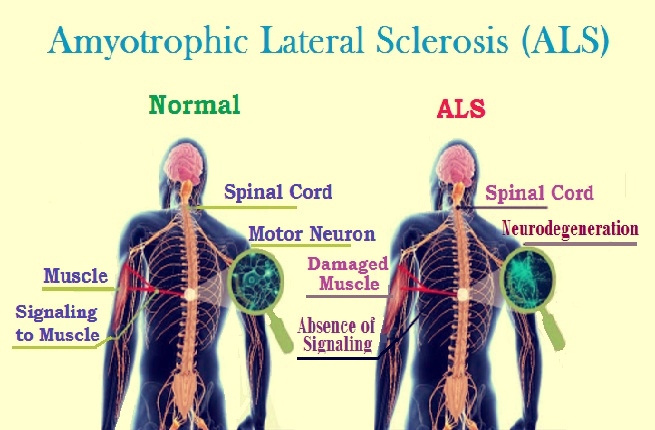
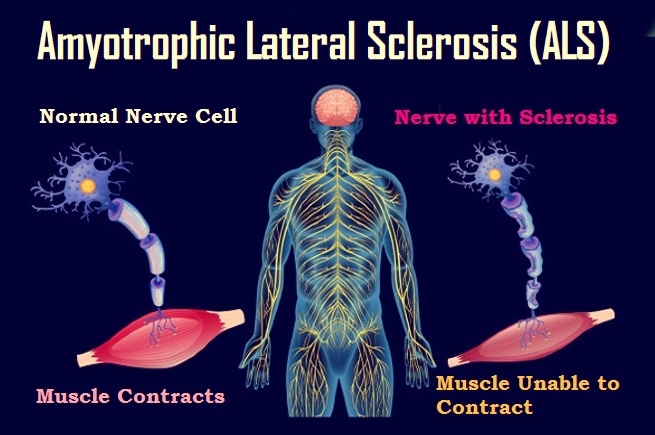
Amyotrophic lateral sclerosis (ALS), also known as Lou Gehrig’s disease is a motor neuron disease (MND) that weakens muscles and impacts physical function. In this article, you will learn how to diagnose amyotrophic lateral sclerosis? What is the best treatment for ALS? Medications or Therapies? And how do you cope with ALS diagnosis? ALS is … Read more

Amyotrophic Lateral Sclerosis (ALS) -Symptoms and Causes – How to Prevent ALS

Amyotrophic lateral sclerosis (ALS), is a progressive nervous system disease that affects nerve cells in the brain and spinal cord and causes the death of neurons controlling voluntary muscle movements such as walking and talking. The most common initial symptoms of ALS include: progressive muscle weakness, muscle cramps and twitches, abnormal fatigue of the arms and/or … Read more