Post Traumatic Stress Disorder (PTSD) is a serious psychiatric disorder and a mental health illness triggered by a frightening event or a terrible condition.
Symptoms may include recalling events, nightmares and acute anxiety, as well as uncontrollable thoughts about the event.
PTSD can affect anyone of any age who is exposed to a traumatic event.
In this article, you will learn about Post‑Traumatic Stress Disorder (PTSD) — its types, symptoms, and causes — and discover effective strategies to prevent PTSD and support mental well‑being.
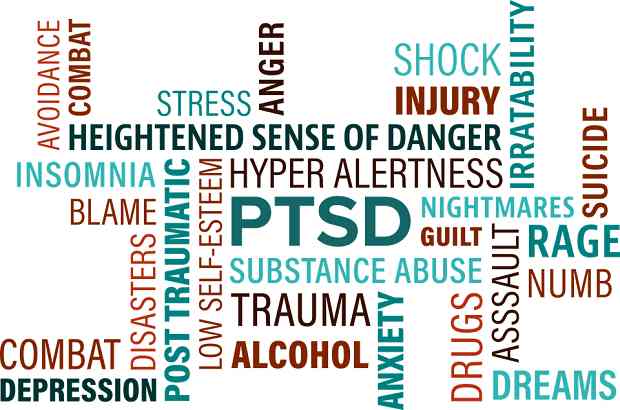 |
| Post-traumatic stress disorder symptoms-How to prevent PTSD |
Post-Traumatic
Stress Disorder – Types, Symptoms Causes, and Complications – How to
Prevent PTSD
What is Post-Traumatic Stress Disorder?
Post-traumatic
stress disorder is a stressful
anxiety disorder that occurs after a traumatic event.
stress disorder is a stressful
anxiety disorder that occurs after a traumatic event.
The event may include an actual or foreseeable threat to injury or
death, and may also include a natural disaster, combat, physical or sexual
assault, or other trauma.
death, and may also include a natural disaster, combat, physical or sexual
assault, or other trauma.
People suffering from PTSD have a strong sense of danger, making
them feel stressed or scared, even in a safe situation.
them feel stressed or scared, even in a safe situation.
PTSD appears as a reaction to chemical changes in the brain after
exposure to threatening events. It is not a result of a personality disorder or
weakness.
exposure to threatening events. It is not a result of a personality disorder or
weakness.
Most of those who experience a traumatic event may have temporary
difficulties in coping and adjusting, but over time and good self-care, they
usually improve.
difficulties in coping and adjusting, but over time and good self-care, they
usually improve.
If the symptoms worsen, persist for months or even years, and if
you block your daily life, you may be suffering from post-traumatic stress
disorder (PTSD).
you block your daily life, you may be suffering from post-traumatic stress
disorder (PTSD).
Types of PTSD
There are
five major types of post-traumatic stress disorder (PTSD).
five major types of post-traumatic stress disorder (PTSD).
1. Normal
Stress Response
Stress Response
2. Acute
Stress disorder
Stress disorder
3. Uncomplicated
PTSD
PTSD
4. Comorbid
PTSD
PTSD
5. Complex
Normal
Stress Response: It
occurs when a healthy adult who has been exposed to a single discrete painful
event in adulthood experiences severe acute bad memories, feelings of untruth,
being cut off from relationships, emotional numbness or physical tension and
suffers from distress and crisis.
Stress Response: It
occurs when a healthy adult who has been exposed to a single discrete painful
event in adulthood experiences severe acute bad memories, feelings of untruth,
being cut off from relationships, emotional numbness or physical tension and
suffers from distress and crisis.
Acute
Stress Disorder: It
is characterized by mental confusion and illusions, panic reactions, severe
insomnia, dissociation, suspicion, and being unable to even basic self-care,
relationships, work, and related activities.
Stress Disorder: It
is characterized by mental confusion and illusions, panic reactions, severe
insomnia, dissociation, suspicion, and being unable to even basic self-care,
relationships, work, and related activities.
Uncomplicated
PTSD: It
includes frequent re-experiencing painful incidents and traumatic events,
avoiding trauma-related stimuli, emotional numbness, and symptoms of increased
arousal.
PTSD: It
includes frequent re-experiencing painful incidents and traumatic events,
avoiding trauma-related stimuli, emotional numbness, and symptoms of increased
arousal.
It can
respond to a group, psychoactive, pharmacological, and cognitive-behavioral or
combination approaches.
respond to a group, psychoactive, pharmacological, and cognitive-behavioral or
combination approaches.
Comorbid
PTSD: Comorbid
PTSD with other mental
disorders is actually much more common than uncomplicated PTSD.
PTSD: Comorbid
PTSD with other mental
disorders is actually much more common than uncomplicated PTSD.
Post-traumatic
stress disorder is usually related to at least one other major psychological
disorder such as drug addiction, alcohol or substance abuse,
depression, panic disorder, and other anxiety disorders.
stress disorder is usually related to at least one other major psychological
disorder such as drug addiction, alcohol or substance abuse,
depression, panic disorder, and other anxiety disorders.
The best
results are obtained when both PTSD and other disorders are treated
simultaneously instead of one after the other.
results are obtained when both PTSD and other disorders are treated
simultaneously instead of one after the other.
Complex
PTSD: It is
found in individuals who are exposed to traumatic circumstances and painful
conditions for a long time, especially during childhood, such as sexual abuse.
PTSD: It is
found in individuals who are exposed to traumatic circumstances and painful
conditions for a long time, especially during childhood, such as sexual abuse.
These
individuals are generally diagnosed with an antisocial or borderline
personality disorder or disruptive and dissociative disorders.
individuals are generally diagnosed with an antisocial or borderline
personality disorder or disruptive and dissociative disorders.
What
are the Symptoms of Post-Traumatic Stress Disorder?
 |
| Post-traumatic stress disorder symptoms-How to prevent PTSD |
Symptoms of PTSD
Symptoms of
post-traumatic stress disorder may begin within three months of the traumatic
event, but sometimes symptoms may occur only years after the event.
post-traumatic stress disorder may begin within three months of the traumatic
event, but sometimes symptoms may occur only years after the event.
These
symptoms can cause serious problems in social or practical situations and in
relationships.
symptoms can cause serious problems in social or practical situations and in
relationships.
They can
also interfere with your ability to perform your normal daily tasks.
also interfere with your ability to perform your normal daily tasks.
In addition,
people with PTSD may suffer from depression, headaches, fainting and panic
attacks.
people with PTSD may suffer from depression, headaches, fainting and panic
attacks.
Intensity of Symptoms
The severity
of symptoms of post-traumatic stress disorder may change over time or vary from
person to person. You may experience several symptoms of post-traumatic stress
disorder when you often experience stress or when you recall the events you
have experienced. For example, you might hear the sound of a car explosion and
recall the events of the war as if they were talking again, or you might see a
report of news of sexual abuse and feel broken about the memories of the
assault you went through.
of symptoms of post-traumatic stress disorder may change over time or vary from
person to person. You may experience several symptoms of post-traumatic stress
disorder when you often experience stress or when you recall the events you
have experienced. For example, you might hear the sound of a car explosion and
recall the events of the war as if they were talking again, or you might see a
report of news of sexual abuse and feel broken about the memories of the
assault you went through.
Symptoms of
post-traumatic stress disorder are generally classified into four types:
post-traumatic stress disorder are generally classified into four types:
1.
Re-experiencing Symptoms
Re-experiencing Symptoms
2.
Avoidance Symptoms
Avoidance Symptoms
3.
Hyperarousal (Reactivity) Symptoms
Hyperarousal (Reactivity) Symptoms
4.
Cognitive Symptoms
Cognitive Symptoms
Re-experiencing Symptoms
Symptoms of
re-experiencing or SPAM memories may include:
re-experiencing or SPAM memories may include:
- Repeated
painful and repetitive painful memories about the traumatic event - Live the
moment of the traumatic event as if it were happening again (recall events) - Awful dreams
or nightmares about the traumatic event - Intense
emotional pressure or severe physical reactions to something that reminds you
of the accident - Past
memories in which the patient feels as if the event happens again and again - Spam
memories and parasitism of the event - Mental or
physical discomfort when remembering the event
Avoidance Symptoms
Avoidance
symptoms of PTSD may include:
symptoms of PTSD may include:
- Try to avoid
thinking or talking about the traumatic event. - Avoid places
or people who remind you of the shocking event. - Lack of
interest in daily activities - Negative changes in thinking and mood
- Emotional
indifference - Memory loss
for the actual event - Inability to
express feelings
Hyperarousal (Reactivity) Symptoms
Hyperarousal
(Reactivity) Symptoms (changes in physical and emotional reactions) may
include:
(Reactivity) Symptoms (changes in physical and emotional reactions) may
include:
- Agitation,
tantrums or aggressive behavior - Always
beware of the danger - An excessive
feeling of guilt, shyness or shame - Constant
attention to risk - Difficulty
concentrating - Difficulty
sleeping - Bouts of anger
- Panic or
fear easily - Constant
attention to risk - Self-destructive
behavior, such as drinking too much or driving very quickly
Cognitive Symptoms
Cognitive
Symptoms of PTSD may include:
Symptoms of PTSD may include:
- Negative
thoughts about yourself, others or the world - Inability to
recognize positive emotions - Emotional
numbness - Not paying
attention to the activities you previously enjoyed - The despair
of the future - Memory
problems, including not remembering the important aspects of the traumatic
event - Difficulty
maintaining close relations - Feeling
separated from family and friends
What
are the Most Common Causes of PTSD?
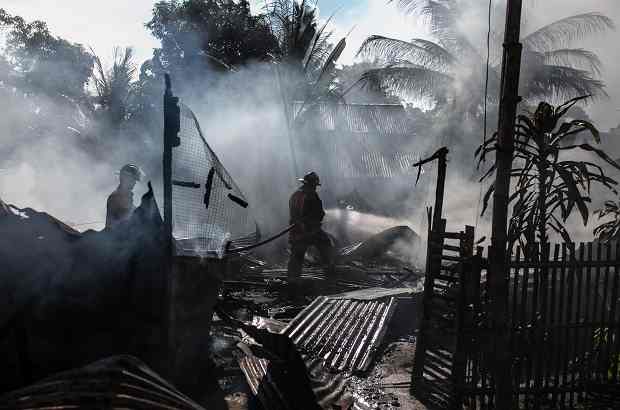 |
| Causes of post-traumatic stress disorder – How to prevent PTSD |
Causes of Post-Traumatic Stress Disorder
You may
experience post-traumatic stress disorder when you go through an event, see it
or know about it, be a threat of death, actual death, serious injury, or sexual
abuse.
experience post-traumatic stress disorder when you go through an event, see it
or know about it, be a threat of death, actual death, serious injury, or sexual
abuse.
Doctors do
not know exactly why some people develop post-traumatic stress disorder (PTSD).
not know exactly why some people develop post-traumatic stress disorder (PTSD).
As with
most mental health problems, post-traumatic stress
disorder is likely to occur due to a combination of:
most mental health problems, post-traumatic stress
disorder is likely to occur due to a combination of:
Stressful
experiences, including the amount of trauma you have experienced in your life.
experiences, including the amount of trauma you have experienced in your life.
The Inherited
mental health risks, such as having a family history of anxiety and depression.
mental health risks, such as having a family history of anxiety and depression.
The
inherited characteristics of your personality – sometimes called mood swings.
inherited characteristics of your personality – sometimes called mood swings.
The way the
brain regulates chemicals and hormones released by the body in response to
stress.
brain regulates chemicals and hormones released by the body in response to
stress.
Risk factors
People of
all ages may experience post-traumatic stress disorder.
all ages may experience post-traumatic stress disorder.
However,
some factors may increase the risk of this disorder after exposure to shock
such as:
some factors may increase the risk of this disorder after exposure to shock
such as:
- Exposure to
severe long-term shock - Exposure to
previous trauma in life such as exposure to abuse during childhood, sexual
violence or physical assault - Working in
such a job which increases the risk of traumatic events such as military
personnel or emergency response workers - Exposure to
the threat of weapons - Suffering
from mental health problems, such as anxiety or depression - Problems
with the misuse of substances such as excessive drinking or excessive use of
drugs - Lack of good
support from family or friends - Have
relatives with mental health problems including anxiety or depression
There are
many other traumatic events that can lead to PTSD such as fires, natural
disasters, robberies, thefts, crashes, torture, kidnapping, the discovery of
life-threatening diseases, terrorist attacks and other harsh or
life-threatening events.
many other traumatic events that can lead to PTSD such as fires, natural
disasters, robberies, thefts, crashes, torture, kidnapping, the discovery of
life-threatening diseases, terrorist attacks and other harsh or
life-threatening events.
Complications of PTSD
Post-traumatic stress
disorder can spoil your whole life: your job, your relationships, your health,
and your enjoyment of your daily activities.
disorder can spoil your whole life: your job, your relationships, your health,
and your enjoyment of your daily activities.
Post-traumatic stress
disorder can also increase the risk of other mental health problems,
such as:
disorder can also increase the risk of other mental health problems,
such as:
- Depression and anxiety
- Problems related to drug abuse or alcohol consumption
- Eating disorders
- Suicidal thoughts and
behaviors
How to Prevent Trauma from Becoming PTSD
How to
Prevent PTSD: After surviving traumatic events, most people initially
experience symptoms similar to post-traumatic stress disorder, such as the
inability to stop thinking about what happened.
Prevent PTSD: After surviving traumatic events, most people initially
experience symptoms similar to post-traumatic stress disorder, such as the
inability to stop thinking about what happened.
Fear,
anxiety, anger, depression, and guilt are all common reactions to trauma.
However, the majority of people who were traumatized did not suffer from the
long-term post-traumatic stress disorder.
anxiety, anger, depression, and guilt are all common reactions to trauma.
However, the majority of people who were traumatized did not suffer from the
long-term post-traumatic stress disorder.
Timely
Support and assistance may prevent the increase of poor physical reactions
resulting from stress and not develop into post-traumatic stress disorder.
Support and assistance may prevent the increase of poor physical reactions
resulting from stress and not develop into post-traumatic stress disorder.
This may
mean asking for support from family and friends who will listen to you and
provide you with comfort.
mean asking for support from family and friends who will listen to you and
provide you with comfort.
Researching
a psychologist may mean a short course of treatment. Some people may seek help
from their faith community as well.
a psychologist may mean a short course of treatment. Some people may seek help
from their faith community as well.
Support from
others may help prevent the use of unhealthy coping methods, such as alcohol or drug addiction.
others may help prevent the use of unhealthy coping methods, such as alcohol or drug addiction.
How to Deal with PTSD?
If you have
symptoms of PTSD, remember that you are not alone. Here’s how you can handle
it:
symptoms of PTSD, remember that you are not alone. Here’s how you can handle
it:
Identify
the disorder: Recognizing
PTSD will help you understand your feelings and how to deal with them
effectively.
the disorder: Recognizing
PTSD will help you understand your feelings and how to deal with them
effectively.
Ask for
help: If you
have frequent irritating thoughts, cannot control your actions, or have fear of
hurting yourself or others, ask for help immediately.
help: If you
have frequent irritating thoughts, cannot control your actions, or have fear of
hurting yourself or others, ask for help immediately.
Psychotherapy: It is an important tool to help
you deal with the symptoms of PTSD. It can help you identify symptom triggers,
manage symptoms and address your fears.
you deal with the symptoms of PTSD. It can help you identify symptom triggers,
manage symptoms and address your fears.
Healthy
lifestyle: Living
a healthy lifestyle and taking care of you will also help with post-traumatic
stress disorder.
lifestyle: Living
a healthy lifestyle and taking care of you will also help with post-traumatic
stress disorder.
Make sure
you eat a balanced diet, just rest in exercise, and avoid anything that can
make stress or anxiety worse.
you eat a balanced diet, just rest in exercise, and avoid anything that can
make stress or anxiety worse.
Get
support: Support
from friends and family is also helpful. There are support groups for PTSD
across the country and most likely in your area.
support: Support
from friends and family is also helpful. There are support groups for PTSD
across the country and most likely in your area.