What Happens When a Black Hole Wakes Up After 100 Million Years?
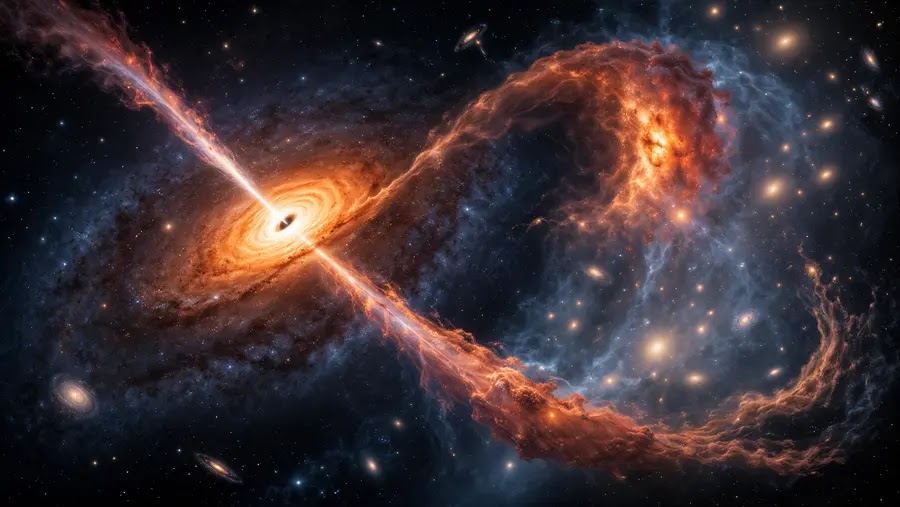
Black hole wakes after 100 million years and erupts like a cosmic volcano, revealing powerful astrophysical jets, galaxy evolution and episodic activity.
Black hole wakes after 100 million years and erupts like a cosmic volcano, revealing powerful astrophysical jets, galaxy evolution and episodic activity.
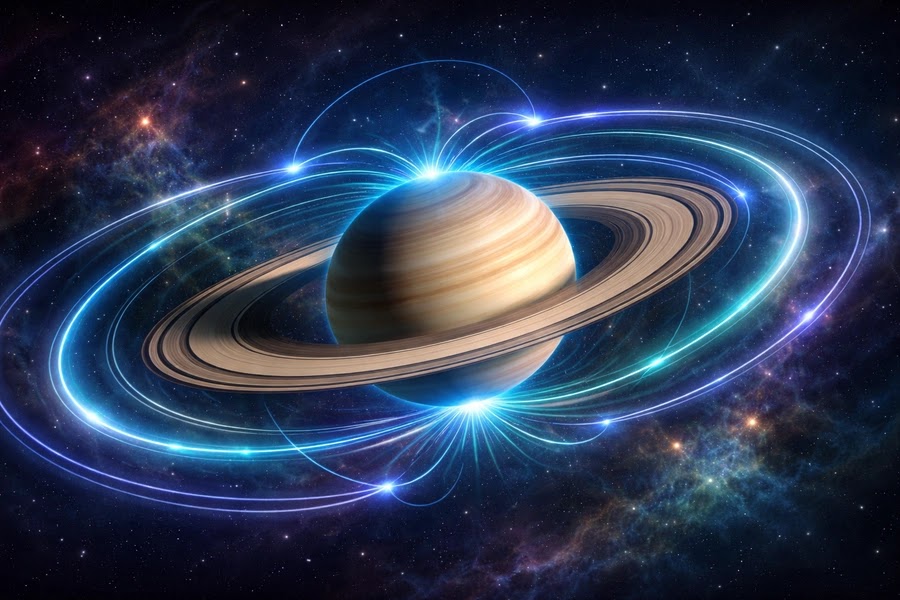
Discover why Saturn’s magnetosphere rotates at a different speed than its interior. Explore the science behind this cosmic mystery and atmospheric dynamics.
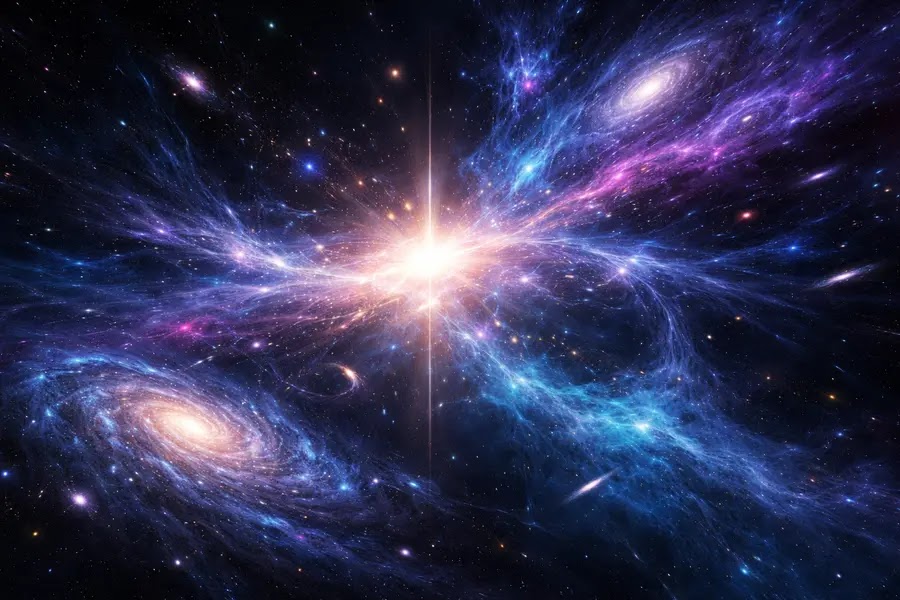
Explore why dark energy may seem stronger in some regions of space. See how cosmic structures, observations and theories explain the universe mystery.
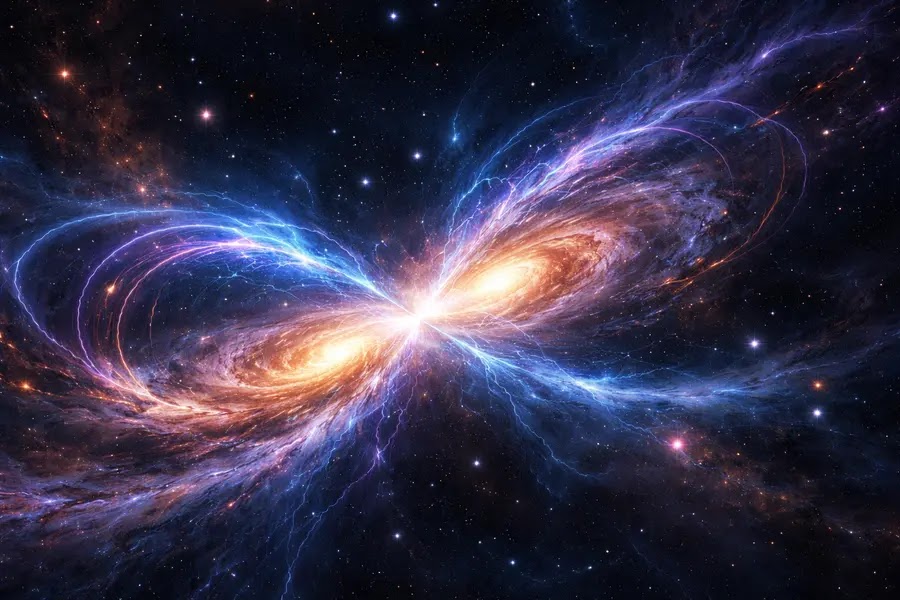
Galactic collisions are more than stars formation. Learn what happens when two galaxies’ magnetic fields clash and reshape cosmic structures and energy transfer
Asteroid caves might shield astronauts from deadly cosmic radiation. Explore the science behind natural shelters and space habitats for deep space survival.

Learn what space anemia is and the authentic research behind why microgravity triggers massive red blood cell destruction in astronauts aboard the ISS.

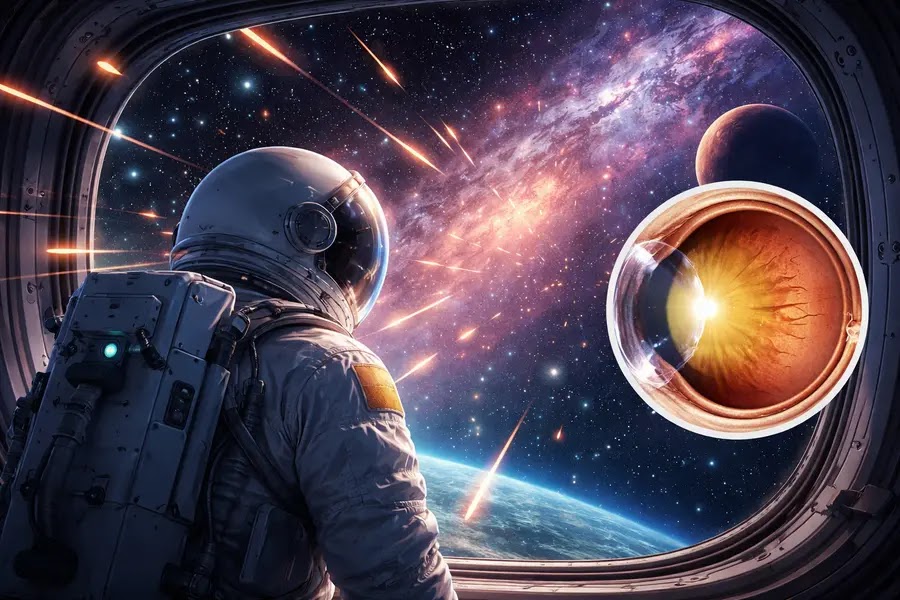
Explore how deep space radiation impacts astronauts’ eye health, increasing risks of early-onset cataracts. Explore scientific evidence and protective measures.

Discover how Artemis II astronauts beat menu fatigue with 189 items, 58 tortillas and spicy condiments on their 10-day deep space lunar flyby mission.

Explore how NASA’s Orion capsule advanced waste recycling system differs from the ISS, enabling safe and sustainable future deep space missions beyond Earth.

Explore how astronauts sleep, eat and manage waste inside NASA’s Orion capsule, adapting to microgravity with innovative systems for deep-space living.