Information and communication technology (ICT) in education is the use of digital tools to improve teaching and learning. ICT includes computers, software, the internet, and other digital technologies.
ICT helps students to be
up to date on the learning process and enhances teachers’ ability to directly
develop positive teacher-student relationships through chalk sessions, e-mail,
e-learning and web-based learning including intranet, extranet, Internet,
CD-ROM, etc.
Let us understand the role of Information and Communication Technology in education.
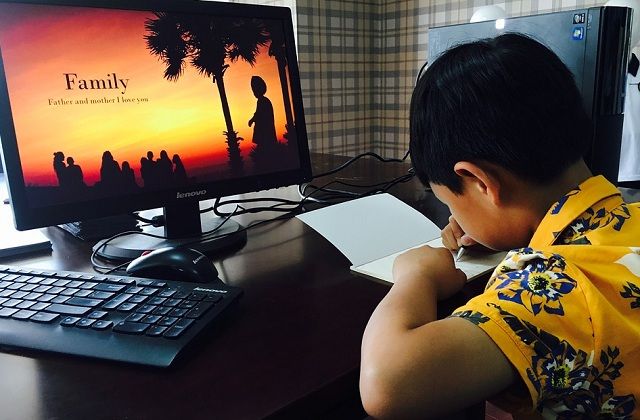 |
| The role of ICT in the process of teaching and learning |
The Role of Information and Communication Technology (ICT) in Education
Information and Communication Technology (ICT) plays a transformative role in education by revolutionizing how knowledge is delivered and consumed.
ICT tools such as computers, tablets, and the internet have enhanced the accessibility of educational resources, enabling students to learn at their own pace and from anywhere in the world. These technologies foster interactive and engaging learning experiences, promoting critical thinking and collaboration among students.
ICT also empowers teachers with innovative teaching methods, facilitating personalized learning and efficient classroom management. Furthermore, ICT bridges the digital divide, providing equal educational opportunities to underserved communities.
An e-learning system is a computer-based platform that allows users to learn online. It’s also known as electronic learning, web-based training, or online learning.
If we integrate ICT into education, we can pave the way for a more inclusive, dynamic, and future-ready learning environment.
Use of ICT in Teaching and Learning
transfer, monitoring, management, data collection, and analysis.
In the
knowledge economy, the ability to use ICTs will become very important. Apart
from the importance of ICT as an employment skill, using computers in schools
in various ways will help students learn.
students have discovered the ability of computers to pursue their interests and
to be innovative. Many complex computer games, for example, develop
higher-order thinking skills. When all schools are connected to the Internet,
teachers will be able to take advantage of technology in multiple ways.
of using information and communication technology (ICT) as a learning tool
are:
Internet.
data.
presentations.
encyclopedias on compact Discs (CDs).
How Does ICT Help in Teaching and
Learning Processes
and communication technology (ICT) is an educational tool that attracts and
encourages students to be independent learners, helping them to access
information quickly from a wide range of global sources. ICT also achieves
elements of student-centered learning.
(1)
Effective learning:
and communication technology allows students, individually and in small
groups, to derive and interpret data, and to monitor and analyze information.
(2) Student Centrality:
and communication technology can be used for multiple types of learners to
allow them freedom of choice and independence.
Some learners are audiovisual,
others are visual, and others learn faster using the keyboard rather than paper
and pen.
ICTs can also be used to express ideas through story writing, drawing,
calculations and composing music. Educational software allows students to work
at varying speeds.
(3) Modeling and simulating real-life
situations:
educational software, teachers, and learners can learn about life situations in
a more dynamic way than traditional books allow.
example, students can use the Internet to make a virtual trip to planets. Using
important e-books, students will be able to simulate situations in texts.
(4) Resource-Based Learning:
and communication technology has become another source of new resources
for students and teachers. ICT will provide teachers and students with
permanent resources such as CD-ROM encyclopedias.
(5) Activating basic computer skills:
and teachers must have certain basic computer skills before they are able to
use computers in different subjects. Learning computer is important because it teaches students how to use computers effectively and efficiently. It also helps students learn, communicate and research, which are essential in today’s workforce.
The following list summarizes these
skills:
and off.
basic computer functions.
retrieval.
such as printers, scanners, digital cameras, and digital projectors.
(6) Adoption of Student Learning Outcomes
and communication technology (ICT) is an effective tool to implement the
curriculum of learning outcomes.
Students will need to be able to accomplish
the following educational tasks:
using multimedia text and graphics.
interpretation.
web browsers and search engines.
collaborate with classmates, students from different regions and countries.
software depending on the speed of the learner.
instructions to simulate real situations and solve problems.
students engage in these activities, they need the following specialized critical
thinking skills:
distinguish appropriate and inappropriate information and perspectives
for the use of Information and communication technology (ICT) as an educational tool, are found under the following headings:
interpretation.
information.
⇒Create multimedia presentations.
Conclusion
Information and Communication Technology (ICT) significantly enhances the teaching and learning processes by fostering accessibility, interactivity, and collaboration.
ICT tools enable personalized learning experiences, allowing students to learn at their own pace and style. They facilitate real-time feedback and assessment, improving student performance and understanding. Teachers can utilize diverse resources and innovative teaching methods, making lessons more engaging and effective.
ICT also bridges geographical and socio-economic gaps, promotes inclusive education and provides equal learning opportunities for all students.
Ultimately, the integration of ICT in education prepares students for the digital age, equipping them with essential life skills for their future careers and fostering a lifelong love for learning.
Read Here: What Will Education Look Like by 2025