What If NASA Satellite Crashes on Earth? Is There Any Danger?
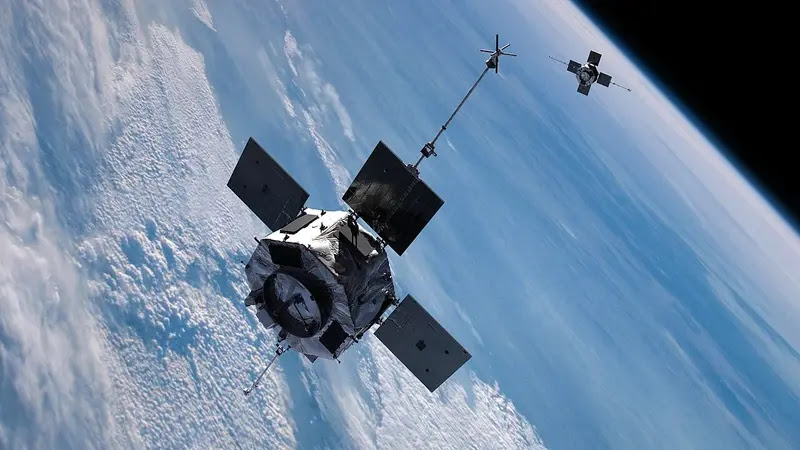
What happens if NASA’s 600‑kg satellite crashes back to Earth? Most of it burns up but could fragments survive? Discover why experts say danger is low.
What happens if NASA’s 600‑kg satellite crashes back to Earth? Most of it burns up but could fragments survive? Discover why experts say danger is low.
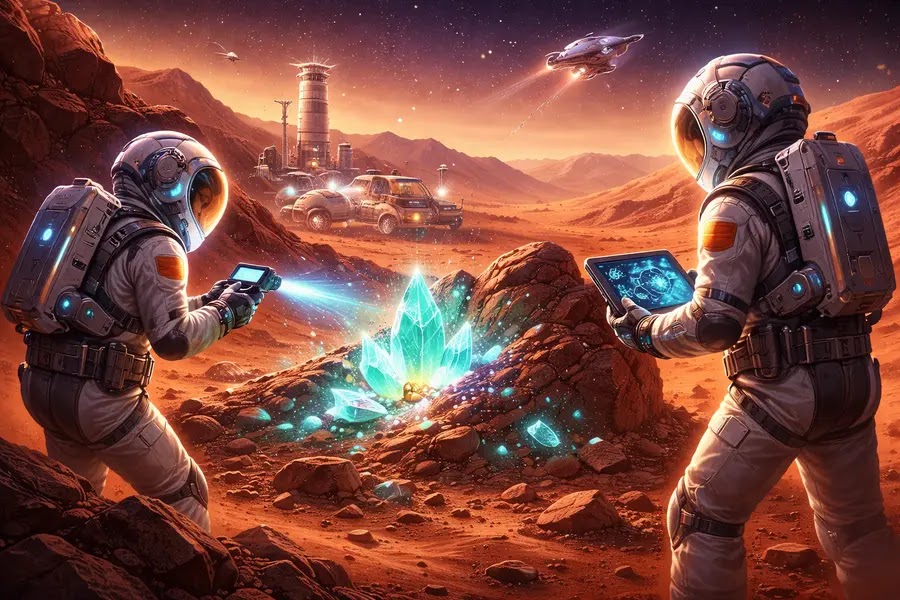
Scientists may have discovered a brand-new mineral on Mars, offering clues to the planet’s geology and fueling dreams of future space exploration.

Scientists explain how low oxygen at high altitude helps red blood cells absorb glucose, lowering blood sugar and reducing diabetes risk naturally.
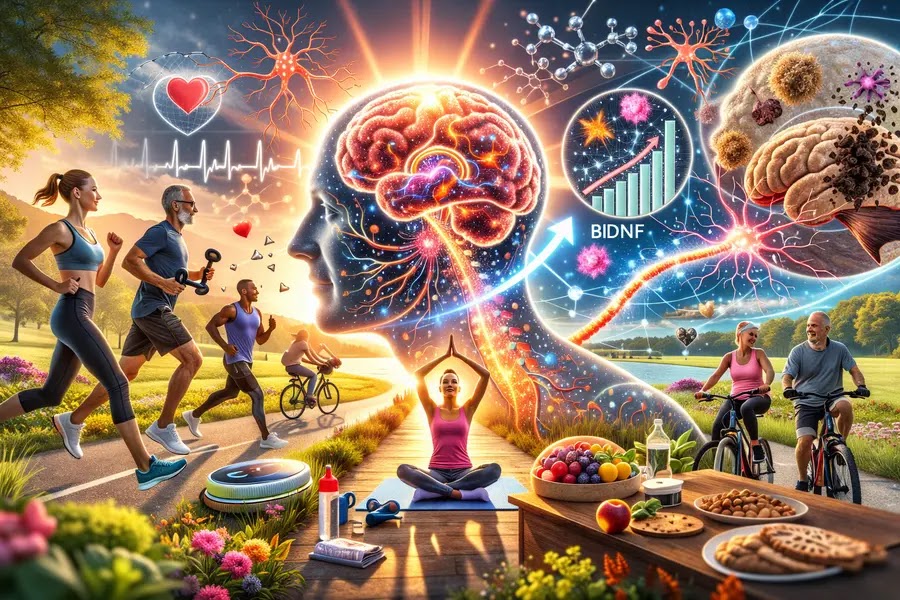
Scientists reveal how regular exercise shields the brain, reducing Alzheimer’s risk by boosting memory, resilience and long-term cognitive health.
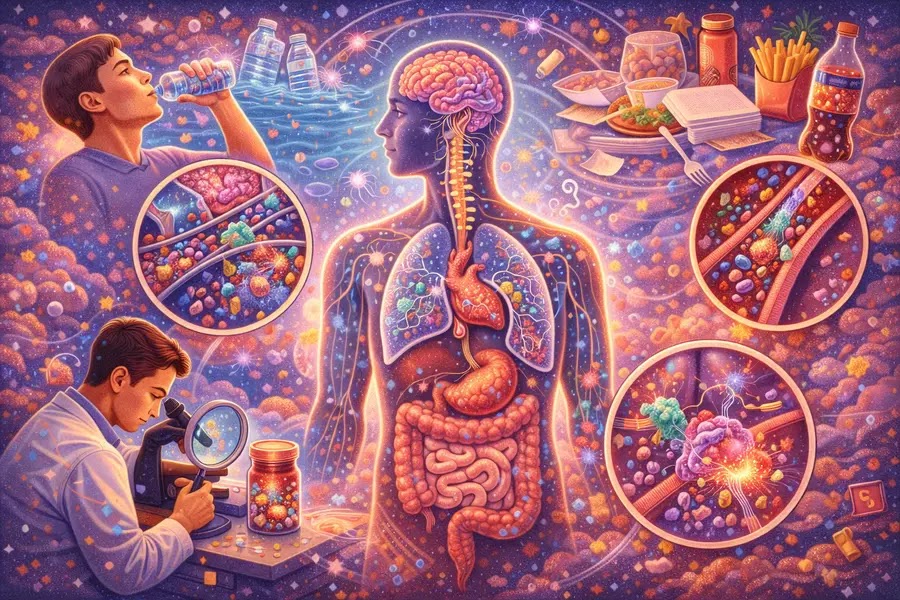
Scientists reveal how microplastics and nanoplastics infiltrate organs, disrupt hormones and spark inflammation—unveiling hidden risks to human health.
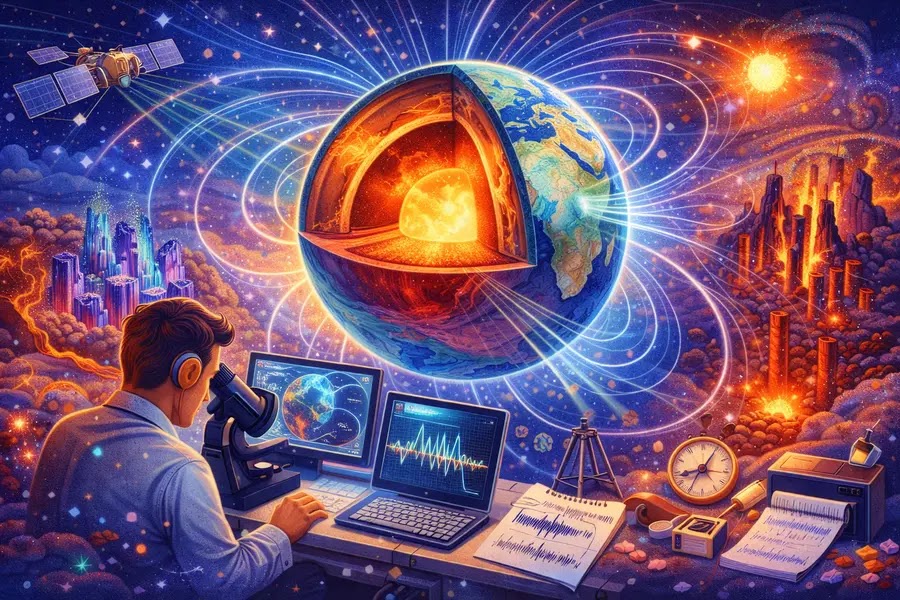
Scientists discover hidden deep-Earth structures that shape magnetic field, affecting core dynamics, ancient climate and long-term planetary stability.
AI and brain tech are advancing fast, but scientists say we still don’t understand consciousness—creating ethical risks we may not be ready for.
Geomagnetic storms can happen several times a year. They vary in frequency, from mild events to rare intense storms, driven by solar flares and CMEs.
Explore how geomagnetic storms affect humans—impacting sleep, mood, heart health, aviation safety and technology-driven lifestyles worldwide.
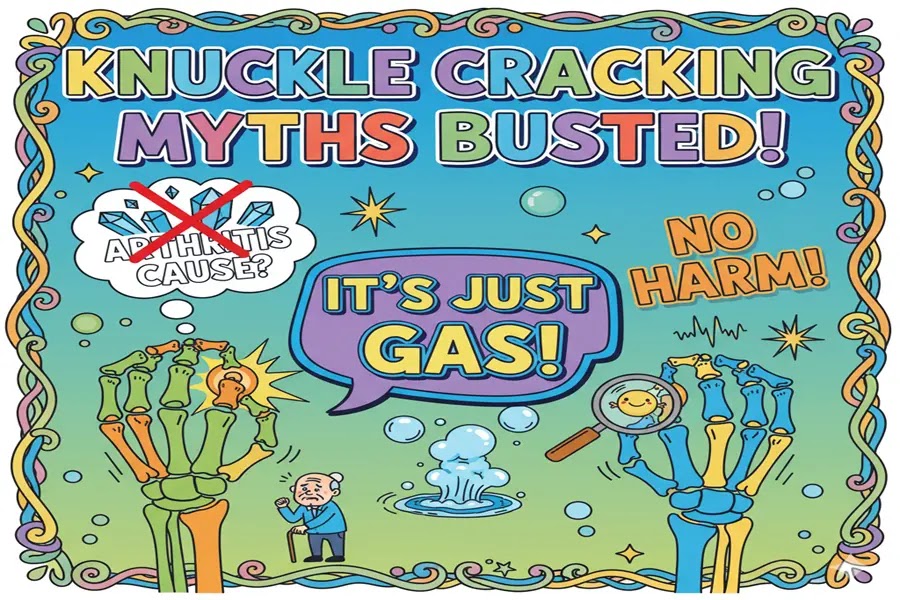
Does cracking your knuckles cause arthritis? Discover the science behind the sound, expert insights and why this myth doesn’t hold up under research.