 |
| Head lice-symptoms and risk factors |
Head Lice: Symptoms and Causes -Home Remedies for Treating Head Lice
What are Head Lice?
A head louse infestation isn’t a sign of poor personal hygiene or an unclean living environment, having them can be itchy and uncomfortable.
It is important to note that having lice does not indicate poor hygiene. They can only survive for a few hours outside of a human scalp. lice cannot survive long without feeding. They should go to a new head within about 24 hours, or they will die.
Over-the-counter and prescription medicines are available for treatment of head lice.
A number of home or natural remedies are used to treat head lice infestations, but there is little to no clinical evidence of their effectiveness.
(adsbygoogle = window.adsbygoogle || []).push({});
Symptoms of Head Lice
If a lick does not seem to exist then one person can not be an active nuisance.
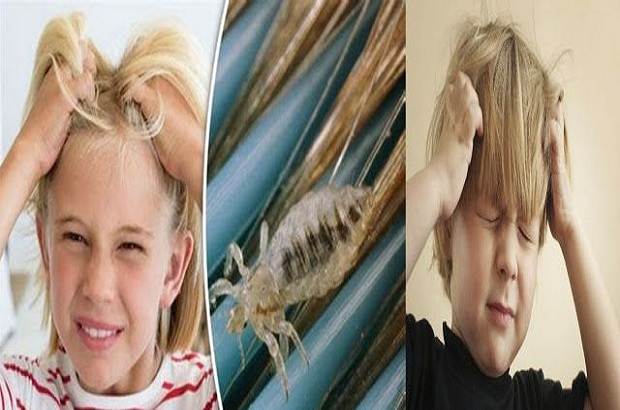
You may not be aware of the nuisance of the lice. However, common signs and symptoms can include skin irritation, sleeping problems, itchiness, scratching the head, swollen lymph nodes, a crawling sensation.
When a person is a nuisance for the first time, it can not be itchy for two to six weeks after the nuisance.
Spotting blank nights can be easy because they are light in color and are ahead of the skull.
Lice on the skull Lice may appear but it is difficult to spot because they are small, avoid light and move faster.
The most common symptoms of head lice include:
- Sores that develop from scratching itches.
- A tickling feeling of something moving on your hair, head, or body.
- Red bumps on your neck, shoulders, head, or pubic area.
- Sores that develop from scratching itches.
- Difficulty sleeping and irritability.
- The appearance of lice eggs, or small white objects in your hair.
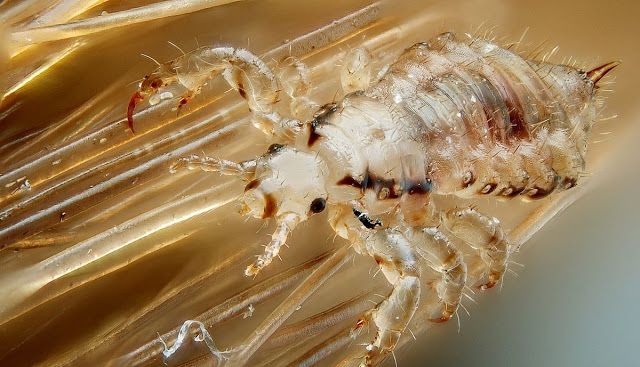 |
| Head lice symptoms and risk factors. Image source: Wikipedia Commons |
What Causes Head Lice?
We must know Head lice crawl and only affect humans, and they will not jump onto pets or other animals.
Most often transmission of head lice from one person to another is by direct contact. Therefore, the transmission is most often within a family or among children who have a close contact at school or play.
The female lice produce a sticky material that agglutinates each egg to a hair shaft.
An egg is attached approximately 4 millimeters from the base of the shaft.
A louse egg hatches after eight or nine days, that emerges is an immature form of the louse called a nymph.
The nymph becomes a mature adult louse after nine to 12 days, and an adult lives for three to four weeks.
Risk Factors for Head Lice
Researchers found in their study, lice can spread through physical contact. They cannot fly or jump, but they can crawl from head to head. This can happen when people get hair color during close contact. It can also travel on objects that have touched the head.
Sharing goods coming in contact with the head can increase the risk of being a person’s life. Poor communication can also be a risk factor.
If a person has lice, then it is necessary to inform everyone in close contact. If a child has lice, a parent or caregiver should notify the school or day-care. Primary school- or girls of preschool age group are more likely to be lice.
- Hats and scarves
- Brushes and Combs
- Hair accessories
- Headphones
- Pillows
- Upholstery
- Towels
(adsbygoogle = window.adsbygoogle || []).push({});
When to visit a doctor
Studies show that many children have been treated with over-the-counter medicines or home remedies for head juice when they do not have active head lice infections.
Treatment usually fails if a person does not remove all the lice within a few inches of the scalp. This can lead to redistribution.
If a person has used the drug properly and remains lice, then he should ask the doctor about prescription treatment. If the first failed, do not use the second OTC drug.
We must also know that the juices are not harmful, but they are highly contagious and can be uncomfortable.
If a person has symptoms of lice or notices them in the child, then they should be treated.
- Dandruff
- Dead or empty nights from the nuisance of the previous head lice
- Beard of dead hair tissue on the hair shaft
- Scab tissue, dirt or other debris
- Residue from hair products
- Other small insects found in the hair.
What is the Best Treatment for Head Lice and Nits?
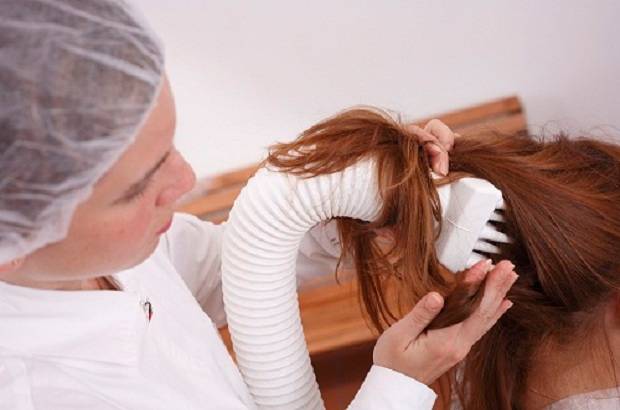 |
| Treatment of head lice by Louse Buster device. Image Source: Wikimedia Commons |
Treatment of Head Lice
A doctor or pharmacist can help someone choose the best method of treatment. After the treatment instructions, it is important to carefully clean your scalp and and hair from lice and their eggs.
Standard treatments include over-the-counter liquids, shampoos, and lotions called pediculicides.
In some cases, prescription treatments are necessary. These medicines, such as spinosad or malathion, are quite strong compared to OTC varieties.
Doctors recommend only when OTC methods have not worked. Many effective medications can also eradicate lice but OTC medications are often effective, these products contain medication that kills the lice.
Packaging will include instructions on leaving the product on the hair, and it is important to follow these guidelines.
After 12 hours, the dead person can use a very good comb known as a knight comb to remove eggs and lice. To do this, divide the hair into sections. Fight hair from the tips to the tips, until all the lunches are gone.
(adsbygoogle = window.adsbygoogle || []).push({});
How to Cure Head Lice
When you share personal items (like hair combs, hair scissors or hats), it is easy to carry the lice from person to person.
People are infected, especially with the head of their hair; It attracts specific types of insects.
Due to the nature of this infection, it is most common because of their large tendency to play in young children (in preschool or primary school), often due to interaction and exchange of commodities.
It is not recommended to use any type of treatment against the lice which come only when it is confirmed due to the problem.
Some Effective Home Remedies to Get Rid of Head Lice
Take 5 onions and then extract them onion juice with the scalp and put it on your hair covered with a plastic hat and leave it for three hours, then wash your hair with shampoo and repeat this method for three consecutive days every week until the lice are eliminated.
Simple Ways to Prevent Head Lice
- Hair should be checked every 2 – 3 weeks for prevention.
- Take care of personal hygiene and wash your hair constantly to avoid injury.
- Change clothes daily as lice live on soiled clothes.
- Take care to wash clothes with hot water to eliminate the lice.
(adsbygoogle = window.adsbygoogle || []).push({});