the immune system attacks hair follicles, often resulting in unexpected hair
loss that begins with one or more round bald spots that may overlap. For most
people, hair loss problems are resolved without treatment within a year, but
sometimes they may be permanent. There are many treatment options to help hair
grow. Here’s all you need to know about Alopecia Areata, symptoms, causes and treatments.
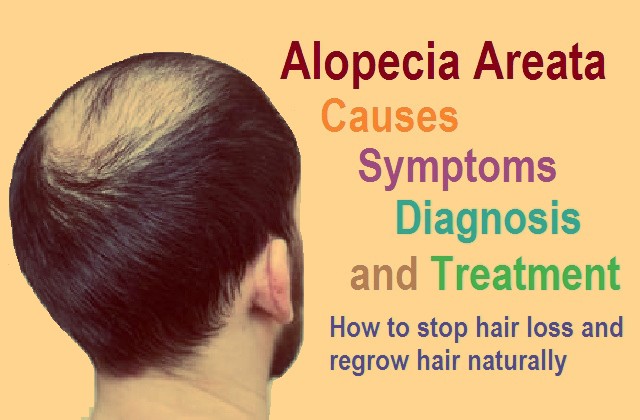 |
| Alopecia areata and hair loss |
Alopecia Areata: Causes, Symptoms, Diagnosis and
Treatment Methods – How to Stop Hair Loss Naturally
What is Alopecia Areata?
autoimmune disorder that causes hair loss in the form of round spots. These
spots may be unnoticeable at first, but with increased hair loss, these spots
expand and the hair-free areas become noticeable.
Alopecia areata develops
when the immune system attacks its own hair follicles. Hair loss problems can
be resolved without treatment within a year, but sometimes they can be
permanent issues.
affect other parts of the body, especially scalp, causing hair, eyebrows, and
facial hair to fall. It may lead to the loss of full body hair, called alopecia
totalis.
(adsbygoogle = window.adsbygoogle || []).push({});
What Causes Alopecia Areata?
because of a defect in the immune system, which leads to attacking white blood
cells of hair follicles, resulting in shrinkage and stopping hair growth,
and hair falls from that area of the body.
of the immune system to hair follicles is unknown, but there are factors that
stimulate the incidence of alopecia areata, including the following:
needs further studies to establish its relationship with alopecia areata
degeneration.
- Vitiligo
Systemic lupus erythematosus (SLE)
Allergic contact dermatitis (ACD)
Asthma
Graves’ disease
Type 1 diabetes
Rheumatoid Arthritis
Attaché
Psoriasis
What are the Symptoms of Alopecia Areata?
characterized by the presence of round patches on the scalp, the most important
signs of alopecia areata include:
Hair loss
and beard area in men and hair may fall in other parts of the body.
and then fall down and then grow again and so, or may fall and does not grow
again, in both cases, you should see the doctor for the possibility of the disease
of alopecia.
Depression, anxiety, and stress
in patients with alopecia areata appear after a long period of infection, and
symptoms of depression appear as a result of anxiety and grief due to hair
loss.
The appearance of white hair
the place of hairless round spots.
reaching the surface of the skin. The diameter of the hair follicle decreases
from the beginning of hair follicle growth, weakening it and making it break
easily.
that the doctor should be checked in case of sudden hair loss from any area of
the body.
Nail changes in alopecia areata
alopecia appear on fingernails and feet.
appear on the nails.
nails.
nails.
What is the Diagnosis of Alopecia Areata?
diagnosed by symptoms and signs characterized by hair loss in the form of round
spots that begin with the scalp.
Doctors may perform blood tests to exclude any
other autoimmune disorders in the case of alopecia areata.
The specific
blood test depends on the particular disorder of the doctor’s suspicion.
However, one doctor will test for the presence of one or more unusual
antibodies. If they are found in the blood, then this usually means that a person
has an autoimmune disorder.
the doctor in the diagnosis of alopecia areata include:
the patient’s hair and examine it under a microscope. Biopsy of the scalp of
the injured, so as to exclude other diseases that may lead to hair loss such as
ringworm disease.
can help in dealing with other conditions and may be performed by the doctor
include:
- Erythrocyte
sedimentation rate
C-reactive protein
Levels of iron
Antinuclear antibody test
Testing the antibodies of the nucleus
Thyroid hormone tests
Follicle stimulant and luteinizing hormone tests
Testosterone test
What is the Treatment of Alopecia Areata?
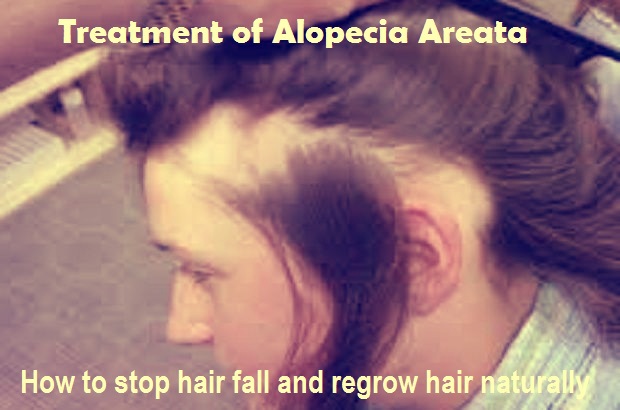 |
| The best treatment for Alopecia Areata |
Treatment of Alopecia Areata
treatment for alopecia areata so far, but there are some medications and pills
that help to grow hair again or prevent falling and reduce the tension caused
by the disease.
one of the following medications for the patient alopecia areata:
Topical Treatments for Alopecia Areata
include topical medications:
Topical Corticosteroids
This medication may be given in the form of a needle in the scalp, or in the form
of oral pills or even in the form of ointment, foam or soap directly applied to
areas without hair, corticosteroid needs a long time to start healing.
Minoxidil Topical
placed on the scalp and affected areas of the eyebrows or beard twice a day,
and is considered to be largely safe but its results may not appear until one
year after use.
Anthralin Topical
placed on the scalp, which in turn stimulates the growth of hair. These
treatments are usually used to treat baldness. It takes about 12 weeks to
start, but some users may not get the desired result.
Topical Immunotherapy
exposes the skin to certain chemicals that stimulate hair growth in bald
areas within six months. Immunotherapy must be adhered to every period to help
hair growth constantly.
Injection therapy for Alopecia Areata
Steroid
Injection
treatments used by doctors for alopecia patients who have not lost full hair.
These injections help to regrow hair growth in bald spots. The procedure is
performed by inserting a thin needle containing steroid into the outer surface
of the scalp or skin.
used once every month or two, as it does not prevent hair loss but help to grow
hair again after falling.
The FDA Cleared laser caps fight hair loss caused by alopecia-areata, baldness, and thinning hair.
(adsbygoogle = window.adsbygoogle || []).push({});
Oral Treatment for Alopecia Areata
use of the following pharmaceutical pills:
Cortisone pills
are usually used for patients with alopecia who suffer from full hair loss from
all parts of the body. Because cortisone has many side effects, this treatment
is only applied through a prescription from a specialist.
Antibiotics
oral pills that inhibit the body’s immune system. Examples of these are
methotrexate and cyclosporine.
treatments is that it cannot be used for prolonged periods because of its side
effects such as high blood pressure, kidney and liver damage, and an increased
risk of lymphoma cancer.
Phototherapy
indicated that phototherapy is an alternative treatment for patients who are
unable to use oral and topical treatments.
This type of treatment includes
medical treatment by using psoralen pills and the use of ultraviolet light.
- Aromatherapy
Acupuncture
Probiotics.
Low-level laser therapy.
Massage the scalp.
Eat vitamins such as zinc and butane.
Eat a diet that contains only meat and vegetables.
are not enough studies to demonstrate the effectiveness of these alternatives therapies.
How to stop hair loss and regrow hair
naturally
➧Wash your hair with mild shampoo regularly.
➧Keep your head sweat-free.
➧Take care of your health.
➧Keep a watch on medication.
➧Keep away from chemicals.
➧Enrich diet with protein.
➧Keep yourself hydrated.
➧Know what is bad for hair.
➧Scalp massage with essential oils.
➧Change how you style your hair.
➧Avoid brushing wet hair.
➧Rub green tea into your hair.
➧Avoid Constant heating and drying.
➧Make time for physical activity every day.
➧Reduce alcoholic beverages.
➧Avoid smoking.
➧De-stress yourself.
➧Schedule appointments with doctors regularly.
➧Take hair loss vitamins such as Biotin, Vitamin C, Niacin (Vitamin B3) and minerals.
Home Remedies for Alopecia Areata
rubbing the hair follicle with one of the following household preparations:
- Onion juice.
Garlic juice.
Soaked green tea.
Various oils such as almond oil, castor oil, jojoba oil, olive oil, mint oil,
rosemary oil, and tea tree oil.
Honey.
coconut milk.
the effectiveness of these substances, but they certainly will not cause harm
to the patient alopecia.
(adsbygoogle = window.adsbygoogle || []).push({});
Tips for Coexisting with Alopecia Areata
be difficult, especially when the patient loses his full hair, but there are
some tips that will help the patient to live with the disease according to age
as follows:
Children
of five do not have many symptoms of the disease but after the age of five,
the child will begin to feel different from their peers.
Parents are often
advised to put wigs for their children and check with your pediatrician or specialist
dermatologist if necessary.
Teenagers
to bullying and mocking by peers in normal situations, so young people with
alopecia areata will be more vulnerable to psychological abuse and mocking and
harming their peers, and therefore advised to:
to increase their self-confidence if necessary.
that are not easily snatched.
Adults
coexist with the disease by:
Thoroughly clean head hair and beard such that hair-free patches do not appear in a way that irritates others.
Communicate directly and continuously with other alopecia patients to exchange
experiences and take support and advice.
In case of hair loss, eyebrows can be drawn or use microblading
techniques or tattoos. Put some cosmetics that will hide hair-free areas.
laser hair removal or shaving. Being completely bald can be less noticeable
than being bald spots. Some people find that the shaving of their head is quite
generous but it can also slow down the depression of slow-moving hair. Hair
loss may make social experiences more difficult for adults, so a good partner
should understand the situation and be a source of support.
(adsbygoogle = window.adsbygoogle || []).push({});