abundant but very limited. The burning of fossil fuels (coal, oil, and natural
gas) causes too much carbon to enter the atmosphere simultaneously.
Carbon
combines with oxygen to form carbon dioxide – a greenhouse gas, which leads s
to global warming and climate change. Renewable energy sources such as wind
energy, solar power, and hydropower have various constraints: they are
incompatible. However, there is a long-term solution to overcome all
environmental problems such as nuclear fusion.
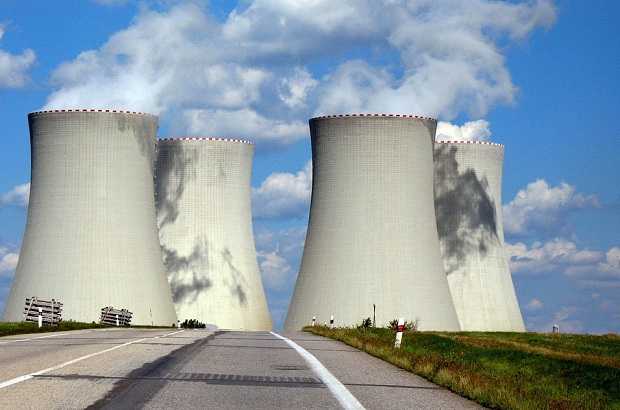 |
| Fossil fuel investment spells ‘unsustainable future’ |
How can We Solve the Problem of Fossil Fuels?
The Problem with Fossil
Fuels
the Earth’s atmosphere, the impact of global warming, global temperatures,
ocean acidification, and sea-level rise. From a long-term perspective, we still
need to plan for our energy future.
Fossil fuels, which to a large extent
constitute the majority of global power today, are abundant but very limited.
Renewable sources such as wind, solar and hydropower have different
constraints: they are inconsistent. However, there is a long-term solution to
overcome all these problems such as nuclear fusion.
combustion, as shown here, generate about one million times less energy per
block unit compared to nuclear reactivity.
current supplies run out. We were burning every drop that could fall under our
hands for three centuries, and this problem will get worse over time.
Although
we have hundreds of years before the wealth in our hands, there are legitimate
environmental concerns that are not related to warming.
Even if we ignore the problem of climate change in carbon dioxide, fossil fuels
are limited in quantity, and their extraction, purification, and burning cause
significant amounts of pollution.
carbon-based fuels contain much more carbon and hydrogen in their chemical
composition and their burning also burns all impurities and releases them into
the air. In addition, the process of refining and extraction is dirty and
dangerous and can contaminate groundwater and all water pools, such as rivers
and lakes.
(adsbygoogle = window.adsbygoogle || []).push({});
Fossil fuel investment spells an insecure future-UN chief
Continued investment in fossil fuels will provide “an incredible future.” Continuous investment in global fuels will provide “an insecure future”, United Nations chief Antonio Guterres warned on Wednesday that due to atmospheric emission emissions, preventing unfavorable climate change The time had to end.
Mr. Guterres Antonio told the United Nations Climate Assessments in Bonn: “Overdrawing more money in coal, oil, and gas does not make financial sense, and markets should be” far-off from counter-producer. An estimated $ 825 billion (697 billion euros) in 2016.
An investment in fossil fuels and high emissions sectors had been impacted. Climate change had already had a” destructive “effect on mankind. Severe floods, dried in Africa, and an extraordinary North American hurricane season, and the atmospheric level of carbon dioxide is the highest in 800,000 years, “Climate change is our Defining the risk of summer. The opportunity window to complete a two-degree goal can be 20 years or less.
And we can have only five years to turn the emission curve to 1.5 degrees. By 2020, we need at least a 25 percent reduction in emissions.
Mr. Guterres told the conference, Part of the solution was to remove the investment from fossil fuel projects to deer, durable energy. Investment in climate-friendly development is where the smart money is led.
By this end, nations had submitted voluntary pledges to prevent planet-warming emissions due to the burning of fossil fuels.
(adsbygoogle = window.adsbygoogle || []).push({});
The Use of Renewable Energy Sources:
One of the most important features of renewable energy is that it will allow us to live in a climate-free world. However, this requires a lot of time and effort in developing renewable energy sources.
The cost of renewable energy has fallen so much that it has become cheaper than fossil fuel and nuclear power, which has led to a noticeable difference in the global economy.
There are also some drawbacks of renewable energy sources such as renewable energy is not continuously abundant, as it is intermittent and is not available 24 hours a day. There is an urgent need for modern infrastructure to transfer energy to its users. The high cost of renewable energy is very expensive, forcing many countries to refrain from investing in this area and resort to cheap sources such as oil.
Wind farms, like many other renewable sources, rely on the environment in an inconsistent and uncontrollable way. On the other hand, renewable energy sources are inconsistent, even at their best.
Try to run your network during its dryness, or drowning, it is doomed to failure. The sheer volume of battery storage required to operate one city during power generation conditions is insufficient.
At the same time, the effects of pollution associated with solar panels and wind or hydropower turbines are also enormous, especially with the creation of materials to store large amounts of energy.
Can Nuclear Fusion Be an Alternative?
The word “nuclear” is sufficient to draw strong reactions from many people. The idea of nuclear bombs, radioactive decay, landslides, and disasters such as Chernobyl, Three Mile Island and Fukushima – not to mention the remaining fear of the Cold War – makes Nembe the default position of a large number of people.
This is the fear that is not without foundation when it comes to nuclear fission. But fission is not the only game in town.
The reactants are light materials, stable elements such as hydrogen isotopes, helium or lithium. The products are also light and stable, such as helium, lithium, beryllium or boron.
(adsbygoogle = window.adsbygoogle || []).push({});
Journal Preference: Phys.org