Cloud security
is a sub-domain of network security, computer security and, more broadly,
information security. Cloud
computing security refers to the control-based safeguards, technical discipline
and processes that IT companies use to protect cloud computing environments,
data, information, applications, and cloud-based infrastructure.
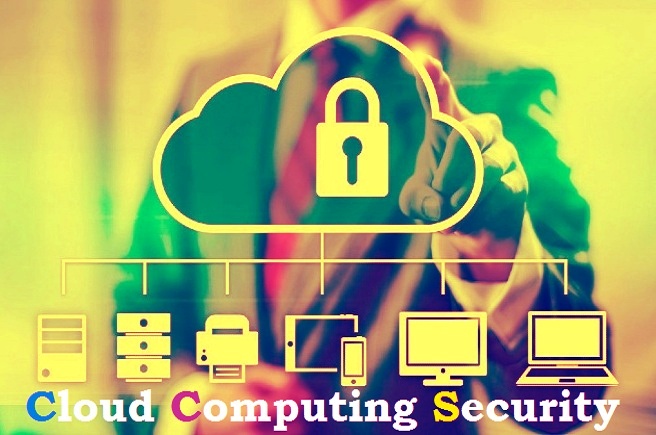
Cloud computing security encompasses a range of technologies, policies, and controls designed to protect data, applications, and infrastructure in cloud environments. It ensures data privacy and integrity through encryption, access controls, and continuous monitoring.
Cloud security also provides robust protection against cyber threats like DDoS attacks and unauthorized access, while facilitating compliance with industry regulations. Additionally, it offers benefits such as centralized security management, reduced operational costs, and enhanced disaster recovery capabilities. In this article, we
have mentioned the top 8 cloud computing security features and best practices.
What is Cloud Computing Security? Top 8 Cloud Security Solutions
 |
| Cloud computing security features |
What is Cloud Computing Security?
computing security refers to a wide range of strategies, policies, technologies
and applications formulated to provide controls to protect data, virtualized
IP, services, infrastructure and cloud-based systems.
security measures are configured to support regulatory compliance, protect data
and customer privacy, and set authentication rules for individual users and
devices.
computing security protects resources stored online from threats, theft,
leakage, or data loss.
security emphasizes protecting the cloud environment against unauthorized
access, hackers, malware, distributed denial of service (DDoS) and other risks.
Top 8 Cloud Computing Security Features
cloud computing are the most important and most critical factor in the
efficiency and continuity of service delivery to clients.
cloud computing security features. Let’s see!
1.
Cloud Identity Management
security refers to the personal identity information system being used within
the enterprise so that access to computer resources, services, data, and
applications is controlled properly.
provides authorization, authentication, privileges and roles of the enterprise
boundaries.
mainly when entering the system.
identity of the user who is required to access the database and the stored
information is the correct identity of a person who is entitled to view or act
on these data.
2. Privacy Policy
that discloses some or all of the methods a party uses, collects, discloses,
and manages client’s data or customer information.
important security features that differentiate the service.
privacy policies that protect both the rights of the customer and the service
provider.
direct criterion for the power of the service provider and its ability to
provide a distinct service to the customer.
3. Data-at-Rest Encryption
effective ways to keep your most sensitive information and data stored on your
cloud infrastructure safe and secure from being accessed by the wrong party.
only include strong encryption systems such as RSA or AES.
the chance of stolen data used for some purpose.
time to alert customers so that they can take steps to protect their identity
and hackers cannot immediately take advantage of stolen information.
4.
Complete Data Protection
data and controlling how your personal data and information are used by
organizations, businesses or the government.
data safe with access control, enterprise-grade drive encryption and monitoring
of user behavior in cloud storage services.
providers and the customer.
the confidentiality of the data provided and not to give any information to any
account for any person who is not authorized to do so.
5. Web Application Security
consists of a set of Internet protocols and standards specifically associated
with the security of websites, web applications, and online services against
various malicious threats or accidental violations and failures.
modifications and development methods for web applications from programmers to
be equipped with security systems and protection to prevent penetration and at
the same time working to increase efficiency and raise the overall level.
6.
Secure Cloud Hosting Services
the world of the web hosting industry.
to focus on what really matters and provides a safe and secure solution that
does not rely on outdated hardware.
hosting services are scalability, flexibility, reliability, efficiency and cost
savings.
(IaaS) on the EC2 platform, which has made many organizations rely
on this platform to host their applications.
companies and has increased services such as SaaS, where users have some control
over operating systems and the operating time environment. This has helped to
reduce administrative costs and problems.
the most useful service that the experience has proven to be of benefit and
success from cloud services, so people are more interested in designing mobile
applications.
7. Advanced Perimeter Firewall
of all security architecture and controls all traffic between a private network
(or internal network) and other public networks, such as the Internet.
unauthorized Internet users from accessing private networks connected to the
Intranets.
interconnected, making it easy for traffic to bypass traditional perimeter
securities.
because they typically inspect the source and destination packets only.
8.
Secure E-commerce Payment System
has been successful is the adoption of a clear and user-friendly payment system, which has made it very successful, but with the maturity of the mobile
market, many app developers have had an eye on Apple’s financial system,
looking to use alternative payment systems.
making it easier for application developers to do business with customers.