Biomedical engineering is a science that combines biology as well as physiological and engineering sciences. There are several classifications of biomedical engineering from an engineering perspective. Medical engineering is the link between engineering and medical science.
In this article, we will learn comprehensive information on the specialty of biomedical engineering.
 |
| Biomedical engineering technologies |
What is Biomedical Engineering? – Types of Medical Engineering Technologies
Overview
Biomedical
Engineering is one of the important branches of engineering, also known as
“medical technology engineering”. Whatever the name is, this specialty focuses
on one goal: the design and maintenance of devices used in the treatment of
patients.
Medical devices in their various classifications help doctors make an accurate diagnosis and then find appropriate treatment methods. This helps in the speed of recovery and achieves positive results.
Biomedical
Engineering is one of the important branches of engineering, also known as
“medical technology engineering”. Whatever the name is, this specialty focuses
on one goal: the design and maintenance of devices used in the treatment of
patients.
Medical devices in their various classifications help doctors make an accurate diagnosis and then find appropriate treatment methods. This helps in the speed of recovery and achieves positive results.
What is Biomedical Engineering?
Biomedical
engineering is a science that combines biomedical as well as physiological and
engineering sciences, such as computer engineering, electrical engineering, and
mechanical engineering.
engineering is a science that combines biomedical as well as physiological and
engineering sciences, such as computer engineering, electrical engineering, and
mechanical engineering.
Biomedical
Engineering uses engineering foundations in building machines and equipment to
heal patients.
In each hospital or laboratory, there are many medical devices
such as an MRI and an X-ray machine which helped improve medical
examination and led to a reduction in mortality.
Modern medical instruments
have also helped to increase doctors’ ability to the medical examination.
Engineering uses engineering foundations in building machines and equipment to
heal patients.
In each hospital or laboratory, there are many medical devices
such as an MRI and an X-ray machine which helped improve medical
examination and led to a reduction in mortality.
Modern medical instruments
have also helped to increase doctors’ ability to the medical examination.
The goal is to design
medical and prosthetic devices; to understand the nature of diseases from all
aspects and deal with them.
Biomedical engineering is considered one of the
most prestigious departments of the faculties of engineering.
Therefore,
those who engage in this specialization in many prestigious engineering
colleges must obtain outstanding degrees in the first preparatory year.
medical and prosthetic devices; to understand the nature of diseases from all
aspects and deal with them.
Biomedical engineering is considered one of the
most prestigious departments of the faculties of engineering.
Therefore,
those who engage in this specialization in many prestigious engineering
colleges must obtain outstanding degrees in the first preparatory year.
The concept of
medical engineering is an area of study of biomedical engineering and
technological concepts, which aims to develop the equipment and devices
necessary for the delivery of health care.
Organ transplantation aims to
prevent, diagnose and treat diseases, in order to rehabilitate the patient and
improve his health.
The specialty of medical engineering is at the forefront of
the medical revolution and its progress is achieved through interdisciplinary
activities that integrate other sciences with engineering principles.
medical engineering is an area of study of biomedical engineering and
technological concepts, which aims to develop the equipment and devices
necessary for the delivery of health care.
Organ transplantation aims to
prevent, diagnose and treat diseases, in order to rehabilitate the patient and
improve his health.
The specialty of medical engineering is at the forefront of
the medical revolution and its progress is achieved through interdisciplinary
activities that integrate other sciences with engineering principles.
History of Medical Engineering – The
Evolution of Bioengineering
The field of
biomedical engineering began more than two centuries ago, through the use of
some simple prosthetic devices, such as artificial teeth and crutches. Then
technological discoveries began to come to light in this area.
After
sometimes, electrocardiography (ECG), diagnostic devices, and dialysis
machines appeared.
There is a comprehensive renaissance in this area;
there are liposuction devices, laser devices for the treatment of
farsightedness (hyperopia) and nearsightedness (myopia), sonar devices of
all kinds, MRI, X-ray, CT, electronic microscopes, catheters, and endoscopes
for treating vascular occlusion and stenting.
Modernity is still going on, and
there is something new every day.
biomedical engineering began more than two centuries ago, through the use of
some simple prosthetic devices, such as artificial teeth and crutches. Then
technological discoveries began to come to light in this area.
After
sometimes, electrocardiography (ECG), diagnostic devices, and dialysis
machines appeared.
There is a comprehensive renaissance in this area;
there are liposuction devices, laser devices for the treatment of
farsightedness (hyperopia) and nearsightedness (myopia), sonar devices of
all kinds, MRI, X-ray, CT, electronic microscopes, catheters, and endoscopes
for treating vascular occlusion and stenting.
Modernity is still going on, and
there is something new every day.
What are the Different Fields of Biomedical
Engineering?
Types of Biomedical Engineering
There are many
divisions or classifications of biomedical engineering from an engineering
perspective, the most important of which are:
divisions or classifications of biomedical engineering from an engineering
perspective, the most important of which are:
Cell and tissue engineering: It is an important class of biomedical
engineering, and contributes to the treatment of disorders or imbalances in
human cells and tissues, from fine organs.
Medical electronics
engineering: This classification is divided into two parts, bio-electrical
effects, and bio-electrical signals, both of which depend on the adaptation of
electricity science to serve patients, and diagnose their condition accurately.
engineering: This classification is divided into two parts, bio-electrical
effects, and bio-electrical signals, both of which depend on the adaptation of
electricity science to serve patients, and diagnose their condition accurately.
Neural engineering: The human nervous system is manifold and intertwined.
Neural engineering helps in the treatment and replacement of any defective
component of the system.
This is done through nanotechnology and computer
applications, and also use sensors that help provide signals, which are
directed to the brain.
To achieve responses for the organs of the body,
highly sophisticated organs are designed to help treat many diseases caused by
neurological dysfunction.
Genetic engineering: Genetic engineering is an important branch of biomedical
engineering, the goal is to design precision devices; to identify the genetic
effects in human infection of diseases, and then treat them.
Biomechanical Engineering: This classification is divided into biomechanics,
and focuses on the treatment of all the negatives that may occur in the natural
kinetics of humans, and biomechanics.
This section focuses
on the study of the transitions of vital substances found in the human body,
and their impact on the creation of diseases and negative variables.
Types of Medical Engineering Technologies
Medical engineers have developed many technologies that help to facilitate
all areas of life and contribute to saving a life, including:
Prosthetic devices: Transfemoral, transhumeral, transtibial and transradial
prostheses or prostheses for human limbs and dentures.
Physiotherapy
equipment: Physiotherapy equipment is very beneficial in such aspects of care as manual therapy,
athletic taping and bracing, manipulation, acupuncture, exercise therapy, and
electrotherapy.
equipment: Physiotherapy equipment is very beneficial in such aspects of care as manual therapy,
athletic taping and bracing, manipulation, acupuncture, exercise therapy, and
electrotherapy.
Therapeutic
equipment: such as dialysis devices, and electrical stimulation of the nerve
through radiotherapy using X-rays.
equipment: such as dialysis devices, and electrical stimulation of the nerve
through radiotherapy using X-rays.
Surgical devices: such
as laser and robotic surgery.
as laser and robotic surgery.
Diagnostic and
monitoring devices: Among the devices used in this category are typical
instruments such as a stethoscope, lighting devices, and a pressure gauge,
which includes external and internal pressure and fundus pressure and breathing
pressure, and blood sugar measures.
monitoring devices: Among the devices used in this category are typical
instruments such as a stethoscope, lighting devices, and a pressure gauge,
which includes external and internal pressure and fundus pressure and breathing
pressure, and blood sugar measures.
Imaging devices: such
as ultrasound, X-rays, magnetic resonance, computed tomography, scanning,
electronic and nuclear medical devices, electrocardiographs, and brain scans.
as ultrasound, X-rays, magnetic resonance, computed tomography, scanning,
electronic and nuclear medical devices, electrocardiographs, and brain scans.
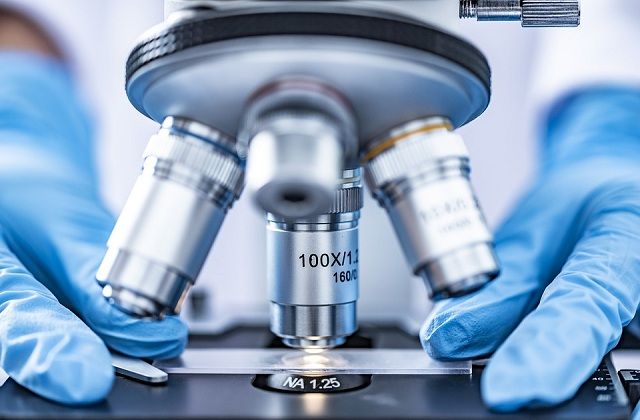
Microscopes: They are the
most prominent devices of biomedical engineering used in laboratories. There
are many types, including traditional microscopes, and spectroscopy devices.
most prominent devices of biomedical engineering used in laboratories. There
are many types, including traditional microscopes, and spectroscopy devices.
Biomedical Engineering Career Prospects
Career opportunities
in the field of biomedical engineering are diverse.
Many companies specialize
in biomedical engineering; they import medical devices. The companies require medical
engineering graduates for these purposes.
Biomedical engineers can be easily recruited into these types of
companies, where they oversee the sale and maintenance of equipment if
necessary.
in the field of biomedical engineering are diverse.
Many companies specialize
in biomedical engineering; they import medical devices. The companies require medical
engineering graduates for these purposes.
Biomedical engineers can be easily recruited into these types of
companies, where they oversee the sale and maintenance of equipment if
necessary.
There are centers for biomedical engineering research such as
CMU BME Pittsburgh, PA and Competency-based medical education (CBME) in
India that focus on innovators who can develop medical devices.